Established 2000 · Free quotes · Fully insured Mon–Fri 7.30–6 · Saturday 8–1 07707 724033

Can I repoint my house myself?

Yes for a garden wall. Probably not for the house — where DIY jobs go wrong and what it costs to put right.

Honest answer: a low garden wall, a few metres of eroded joints at ground level, a patio — yes, have a go. A house elevation, a gable, anything above the first-floor windows, anything in lime — no, and not because we want the work. It's because the DIY jobs we get called to put right cost the owner more than having it done once.

What the job actually involves

Repointing isn't filling. It's four separate jobs, and the first one is the one people skip.

  1. Raking out. Every joint has to be cut back to at least twice its width — 20 to 25mm on a 10mm joint — and the old mortar removed cleanly to a square back. On a house that means a grinder with a mortar-raking blade and dust extraction, or a chisel and a lot of hours. Done wrong you chip the brick arrises and the wall looks worse than when you started.
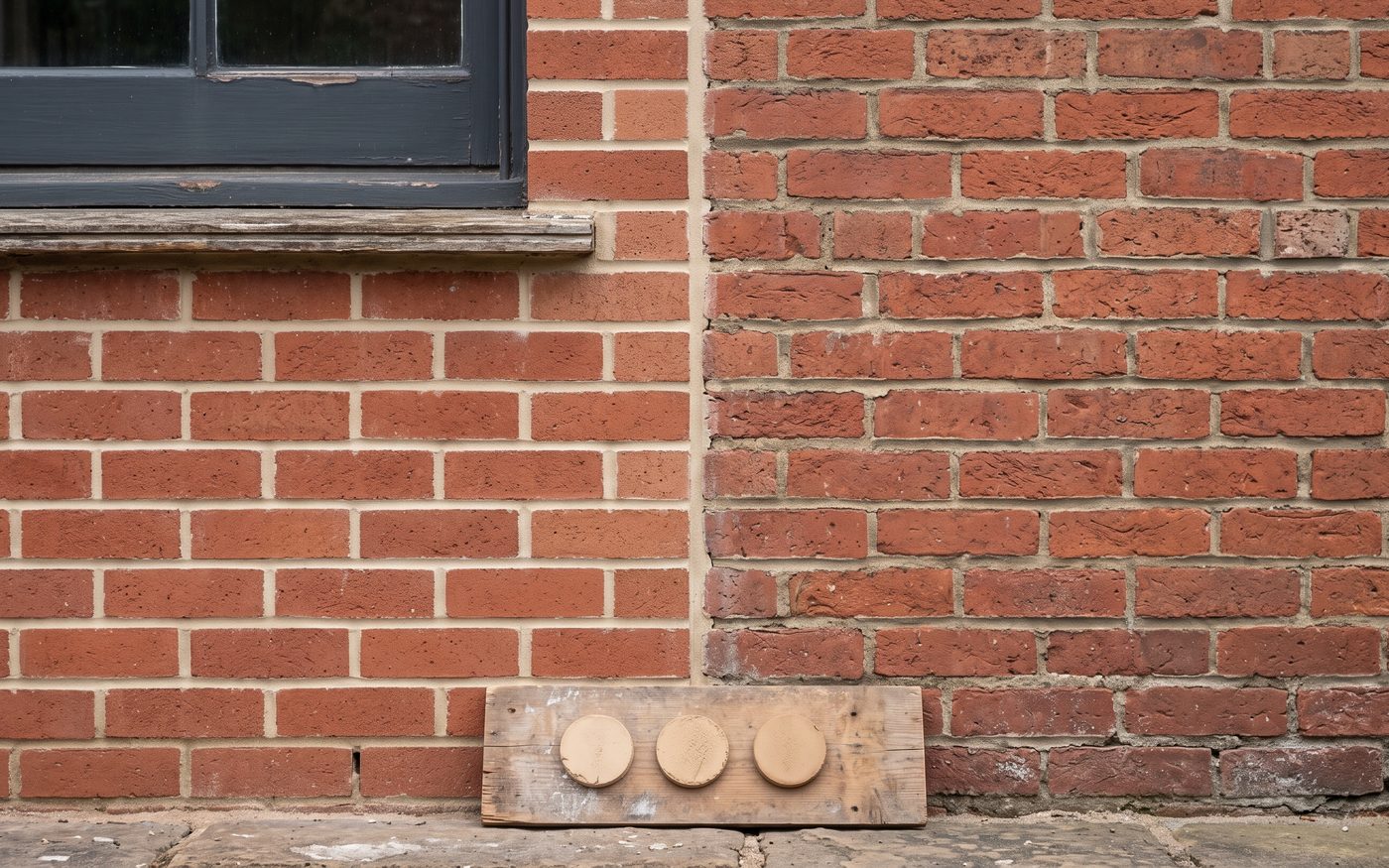
  2. Mixing the right mortar. Not a bag of "ready-mix mortar" from the merchant. The mix has to match the brick's strength, and the colour has to match the rest of the house. Get either wrong and the repair is visible from the road for the next forty years.
  3. Packing the joint. Mortar pushed in firmly in two passes so it bonds to the back and sides of the joint. Smeared over the surface, it lasts about a year.
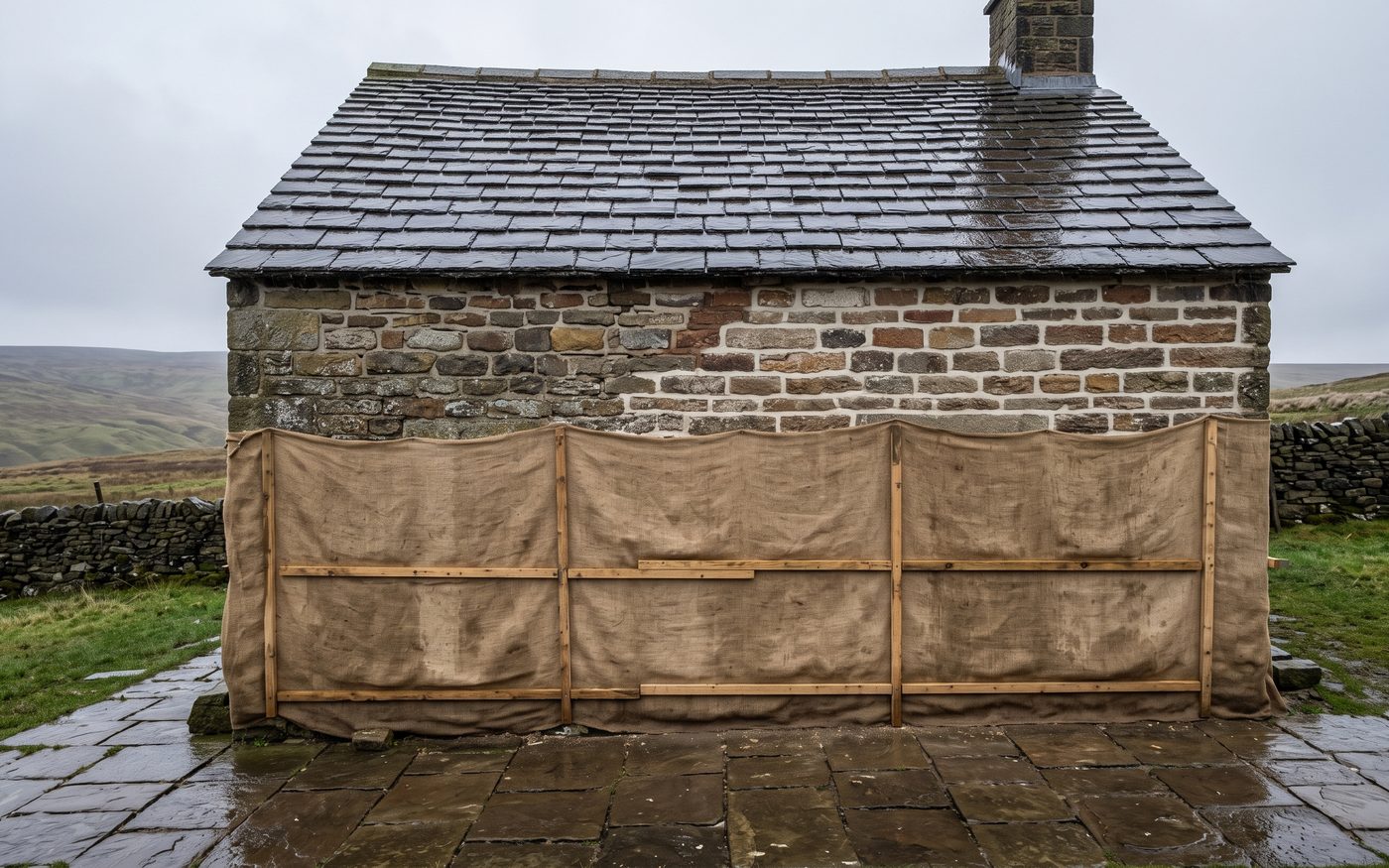
  4. Striking and protecting. Finished to the profile already on the house — usually weather struck round here — then kept damp and out of frost, sun and driving rain while it cures. Lime needs sheeting for days; even cement needs a couple of them.

Where DIY repointing goes wrong

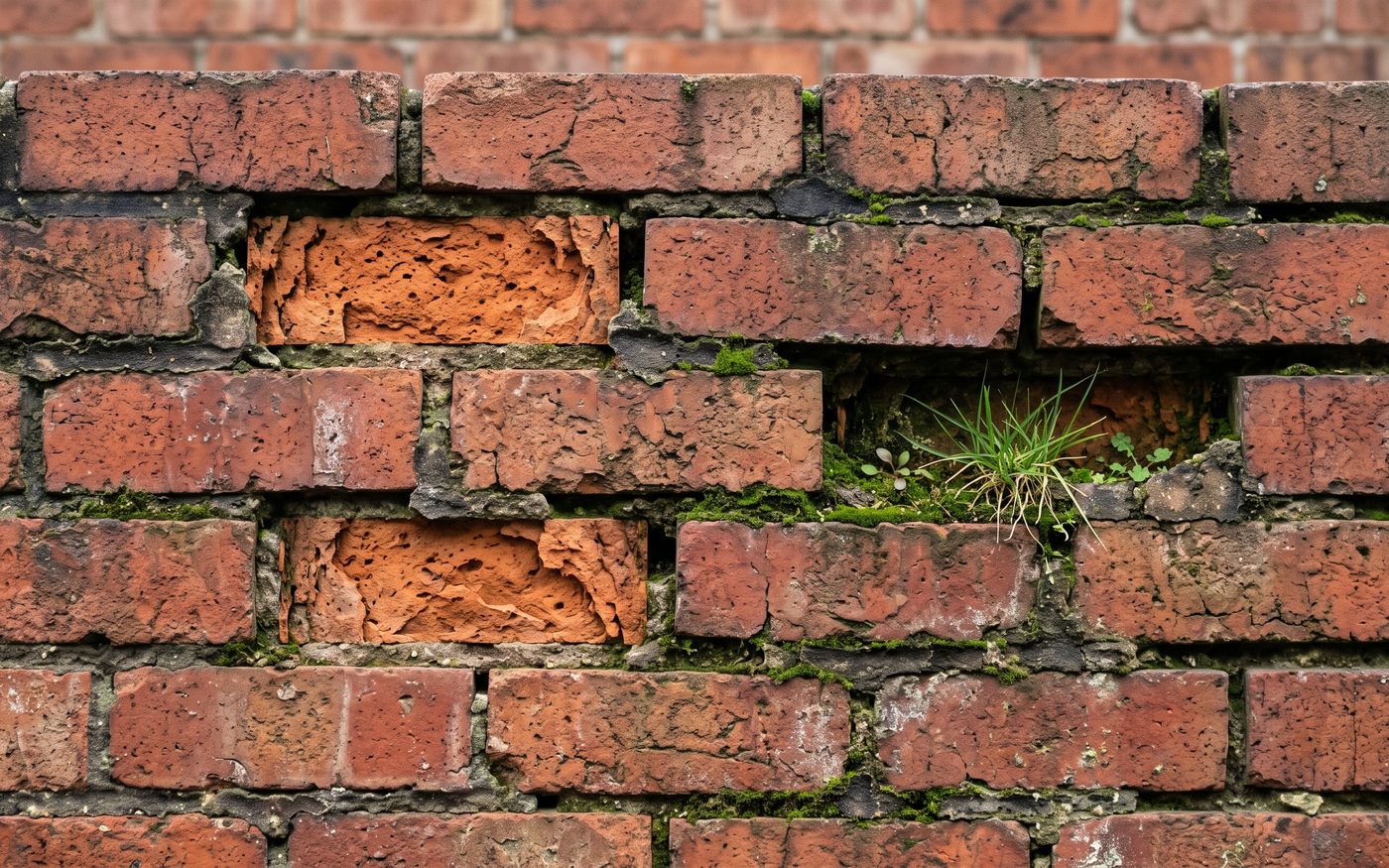
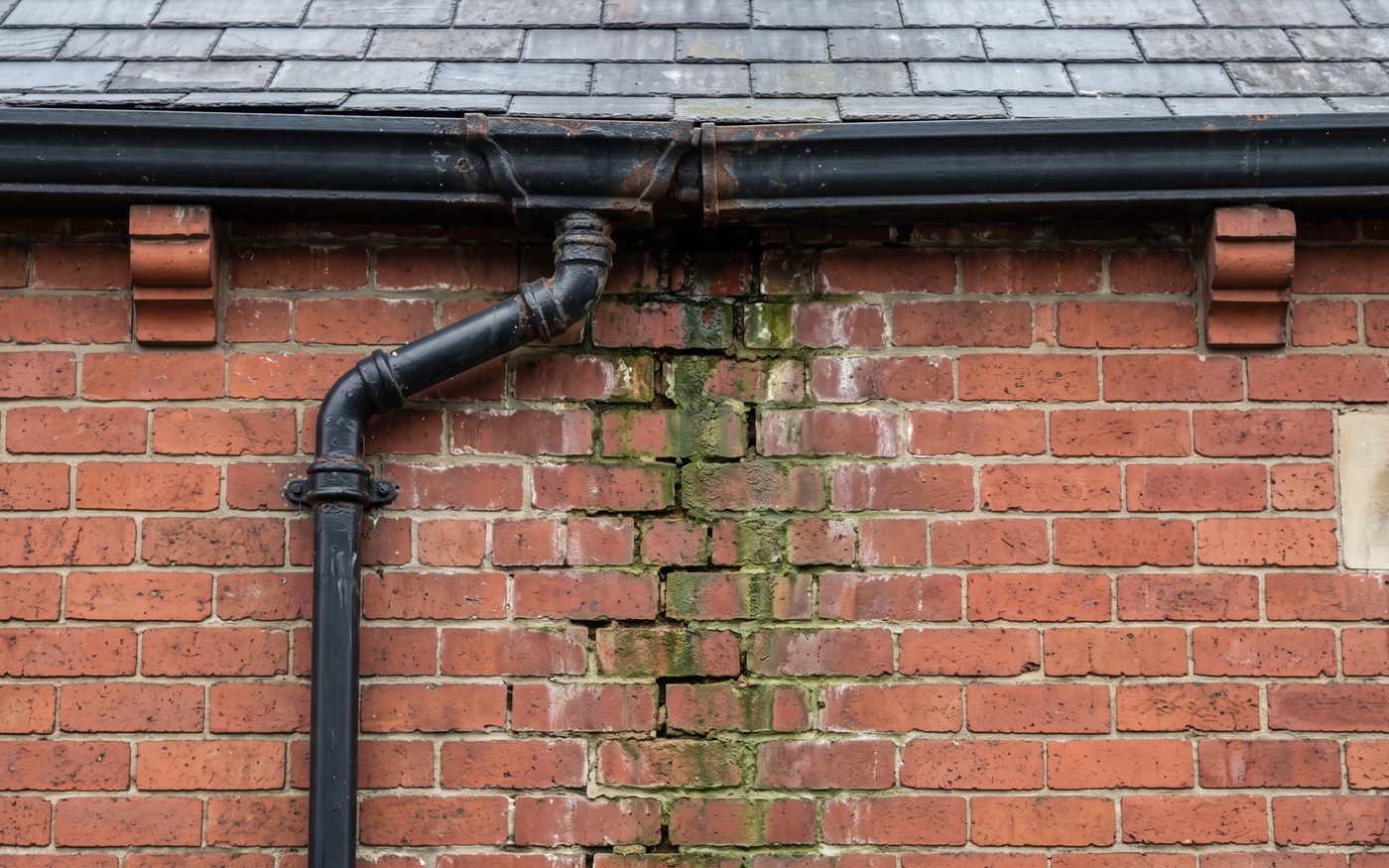
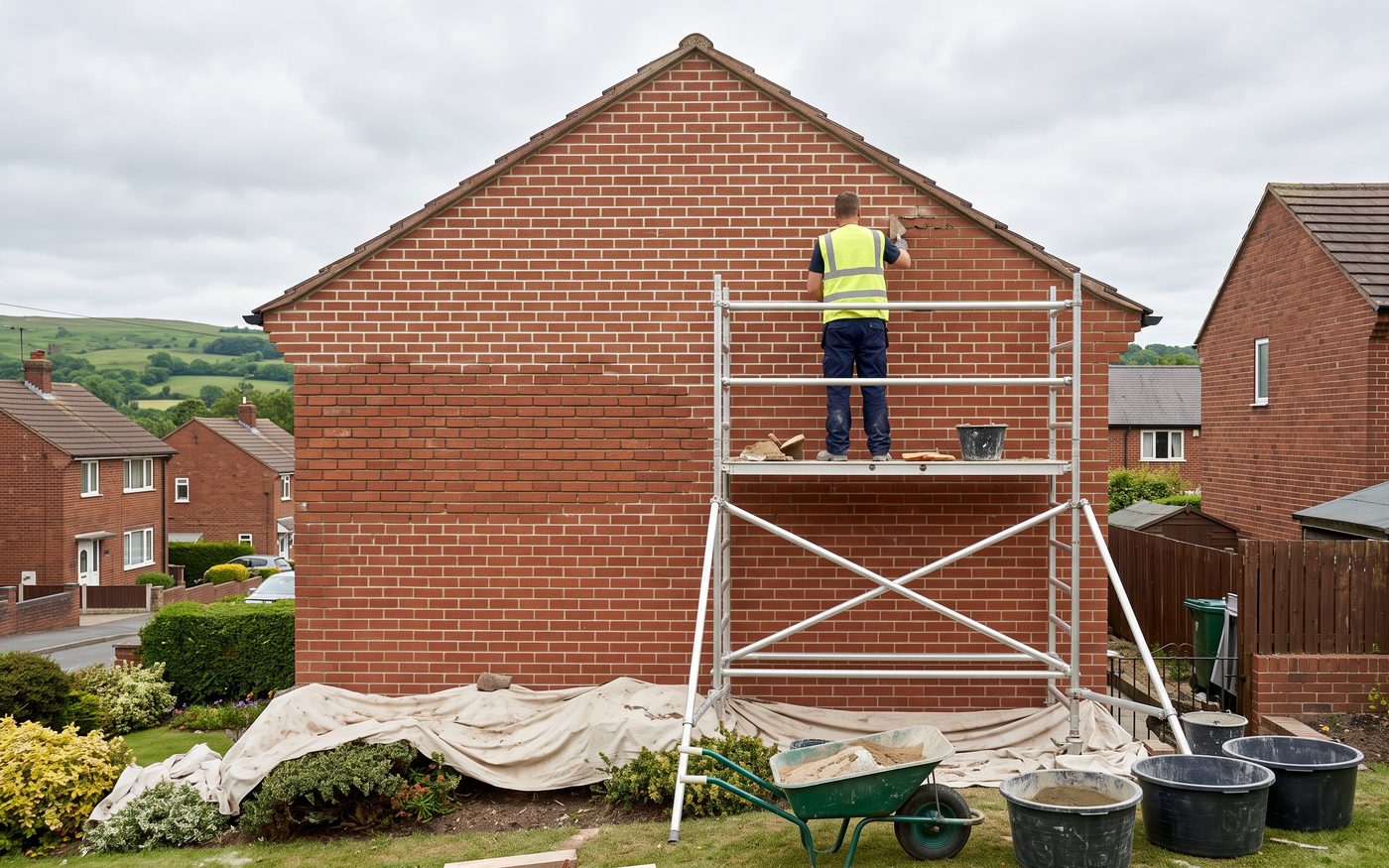
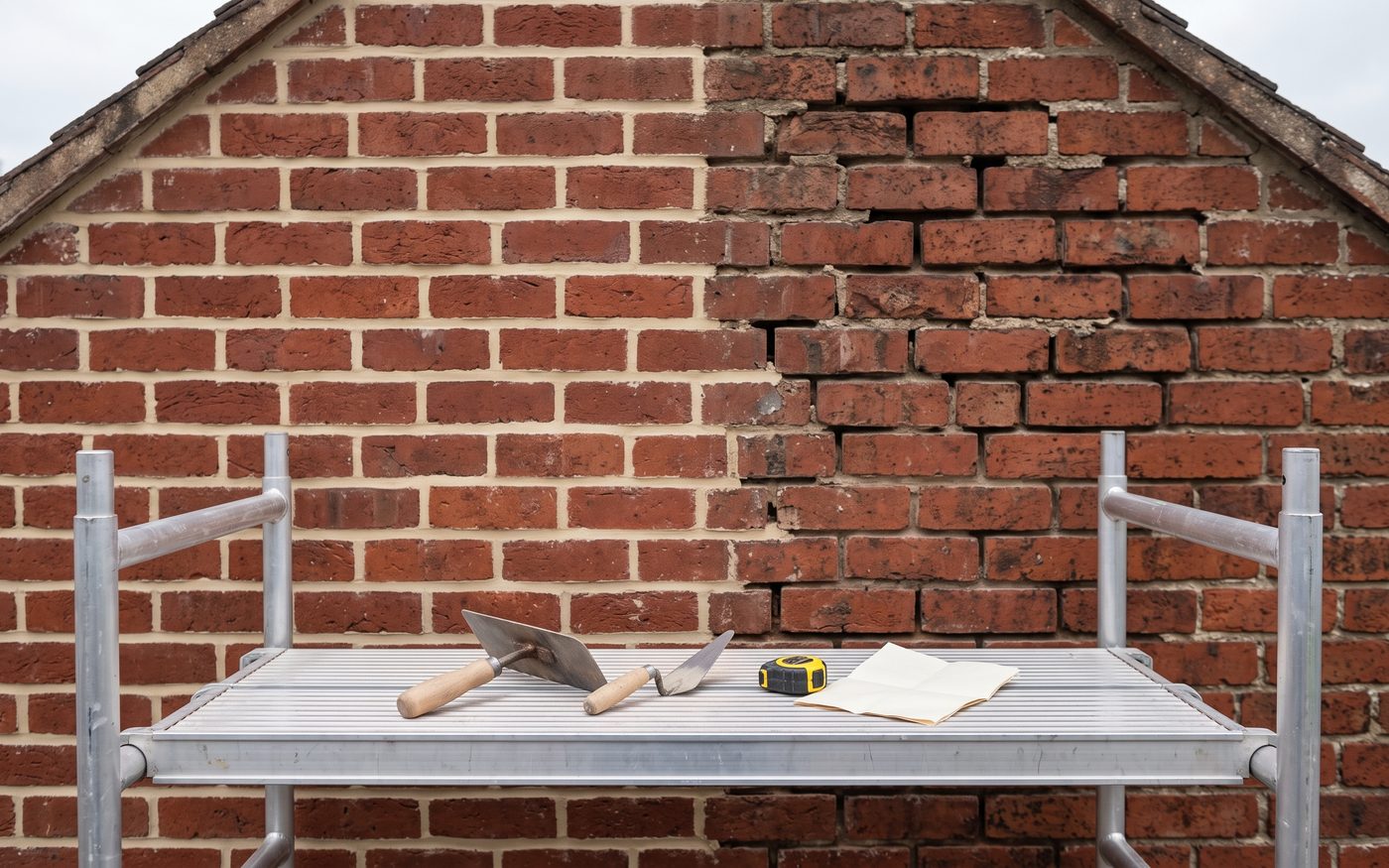
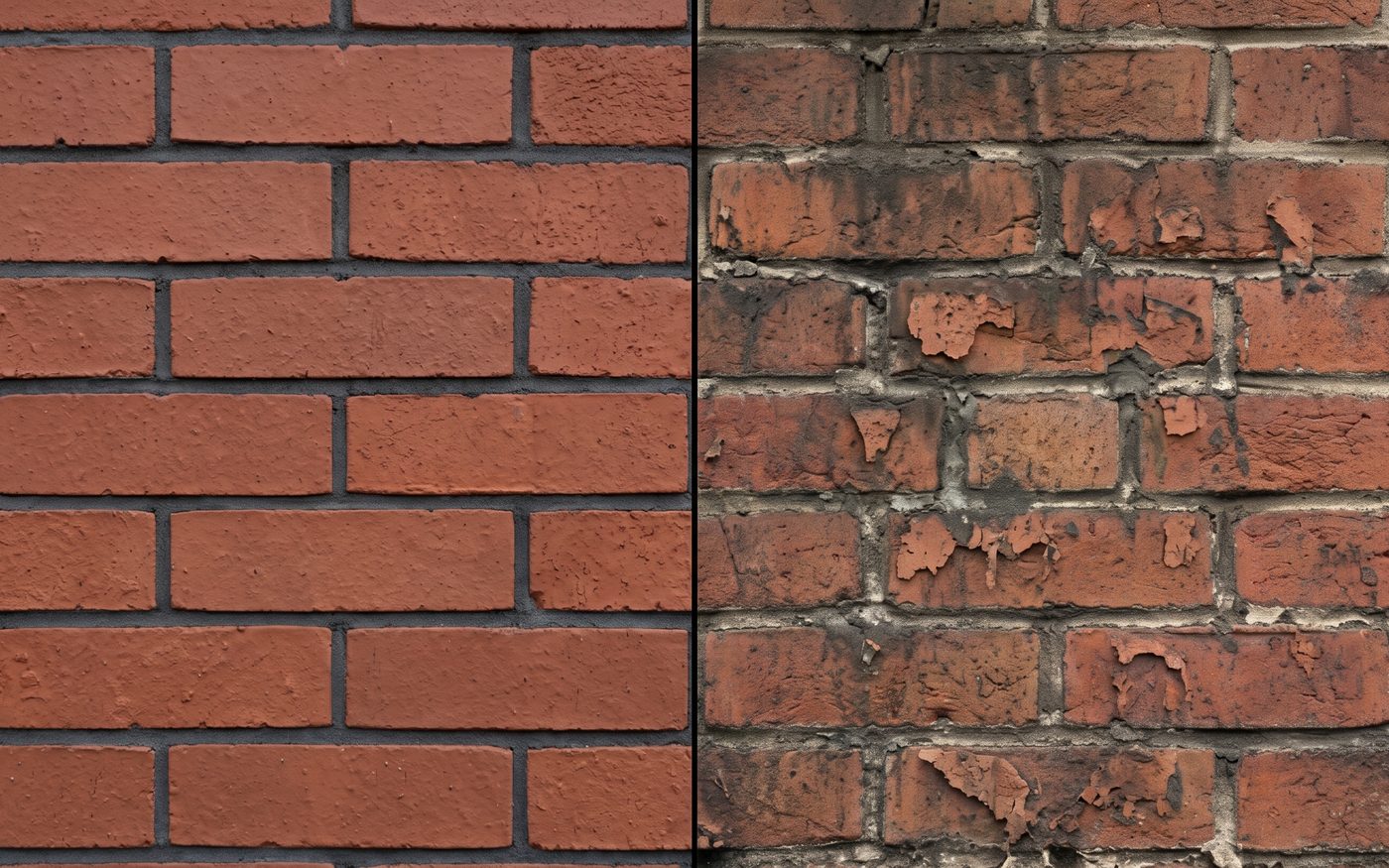
The jobs we see most: joints not raked out at all, so the new mortar sits on top of the old and falls off in sheets. Hard cement used on Victorian brick, which then spalls the brick faces within a few winters. Mortar smeared across the brick faces, which stains and can't be cleaned off. And the one that costs most — someone repointing a gable off a ladder, doing a bit each weekend for a summer, then paying us to rake it all out again because the colour and the finish change every couple of courses.

When it's worth doing yourself

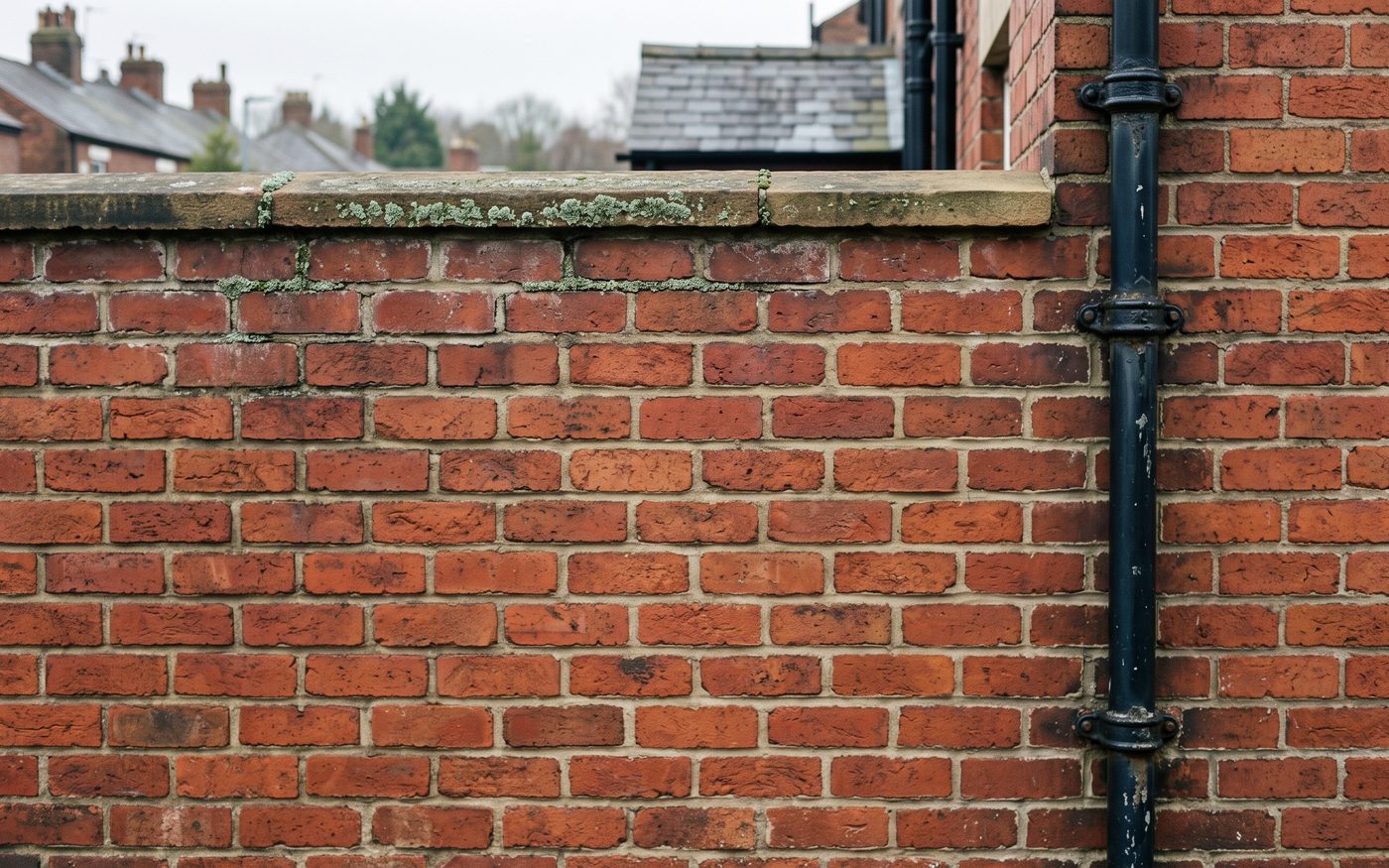
A garden or boundary wall under head height, where the mortar is cement, the joints are eroded rather than patched, and nobody minds if the finish is a bit rustic. Buy a proper raking blade, rake to depth, use a 1:1:6 mix (cement, lime, sharp sand) rather than a strong mix, and do it in mild dry weather. If it's stone, or the wall is old enough to have lime in it, ring us first — lime is unforgiving if you haven't used it before.

What it costs to have it done

For comparison, our guide prices start at around £45 per m² for cement repointing on brick. A weekend of DIY on a gable saves roughly the cost of the tower hire and the labour, and risks the brick. Most people who ring us have already tried a patch and decided the whole wall needs doing properly.
Written by Scott Higginson, Perfect Pointing, Rochdale. Guide figures are ours, for Greater Manchester, and every job is quoted fixed-price after a survey.

More advice

How much does repointing cost in 2026?

How much does repointing cost in 2026?

Guide prices per square metre for brick, lime and stone, what pushes the price up, and how to compare quotes.

Read →
Lime or cement — which mortar does my house need?

Lime or cement — which mortar does my house need?

The one question that matters most on an older house, and how to tell which you've got.

Read →
Six signs your pointing has failed

Six signs your pointing has failed

What to look for from the pavement, and which ones mean water is already getting in.

Read →
Chimney repointing explained

Chimney repointing explained

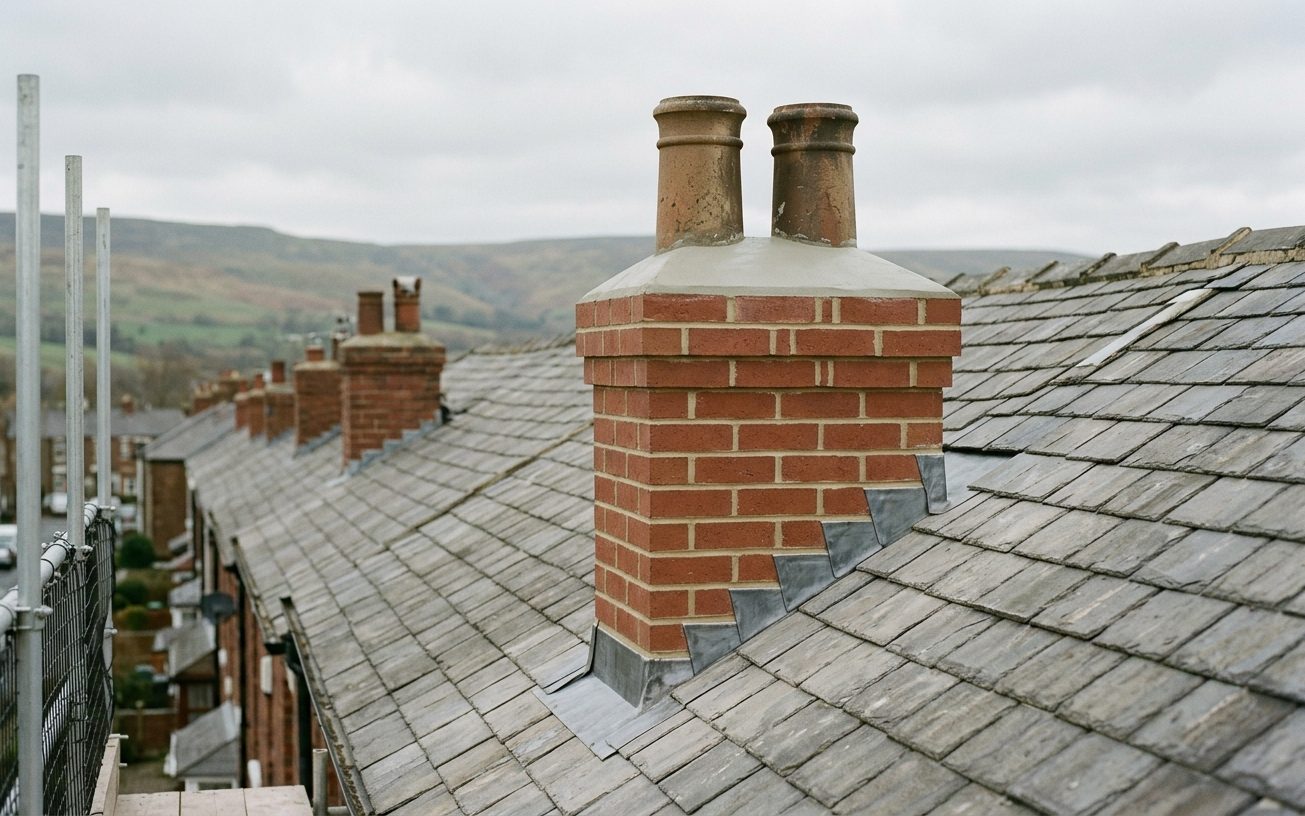
Why the stack goes first, what flaunching is, and what a proper chimney job includes.

Read →
How long does repointing last?

How long does repointing last?

Fifty years or more if it's done right. Two or three if it isn't. What decides which one you get.

Read →
When is the best time of year to repoint?

When is the best time of year to repoint?

April to October, and not in a heatwave. Why frost and hot sun both ruin new mortar, and how we work round the Pennine weather.

Read →
Will repointing stop damp coming through my wall?

Will repointing stop damp coming through my wall?

Usually — if it's penetrating damp and the pointing is the reason. How to tell, and the cases where repointing won't fix it.

Read →
Repointing in a conservation area or listed building

Repointing in a conservation area or listed building

What you can do without permission, why lime is usually a condition, and how we handle Saddleworth, Littleborough and the Rochdale conservation areas.

Read →
The survey says the house needs repointing — what now?

The survey says the house needs repointing — what now?

What a surveyor's "repointing required" actually means, how much to budget or knock off, and whether to fix it before you sell.

Read →
Will the new pointing match the rest of the house?

Will the new pointing match the rest of the house?

Yes, if it's matched properly — sand, colour, joint profile and finish. Why some repointing stands out from the road and how we stop that happening.

Read →
What to expect when we repoint your house

What to expect when we repoint your house

How long it takes, whether you need scaffolding, how much dust and mess there is, and what to do before we arrive.

Read →

Got a wall you're not sure about?

Send photos. Scott will tell you what he sees and give a rough figure before he visits.

07707 724033
Call Scott — 07707 724033