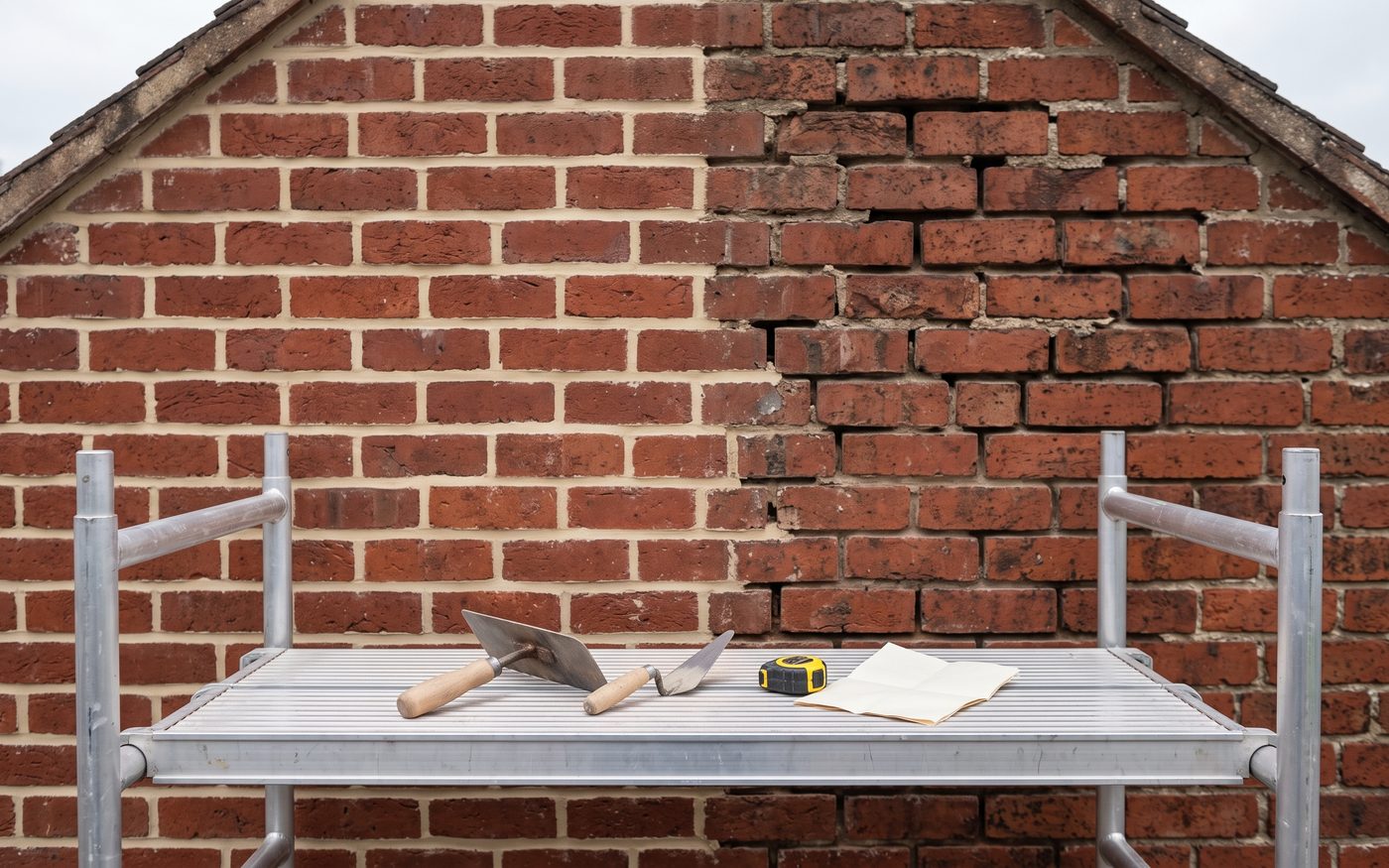
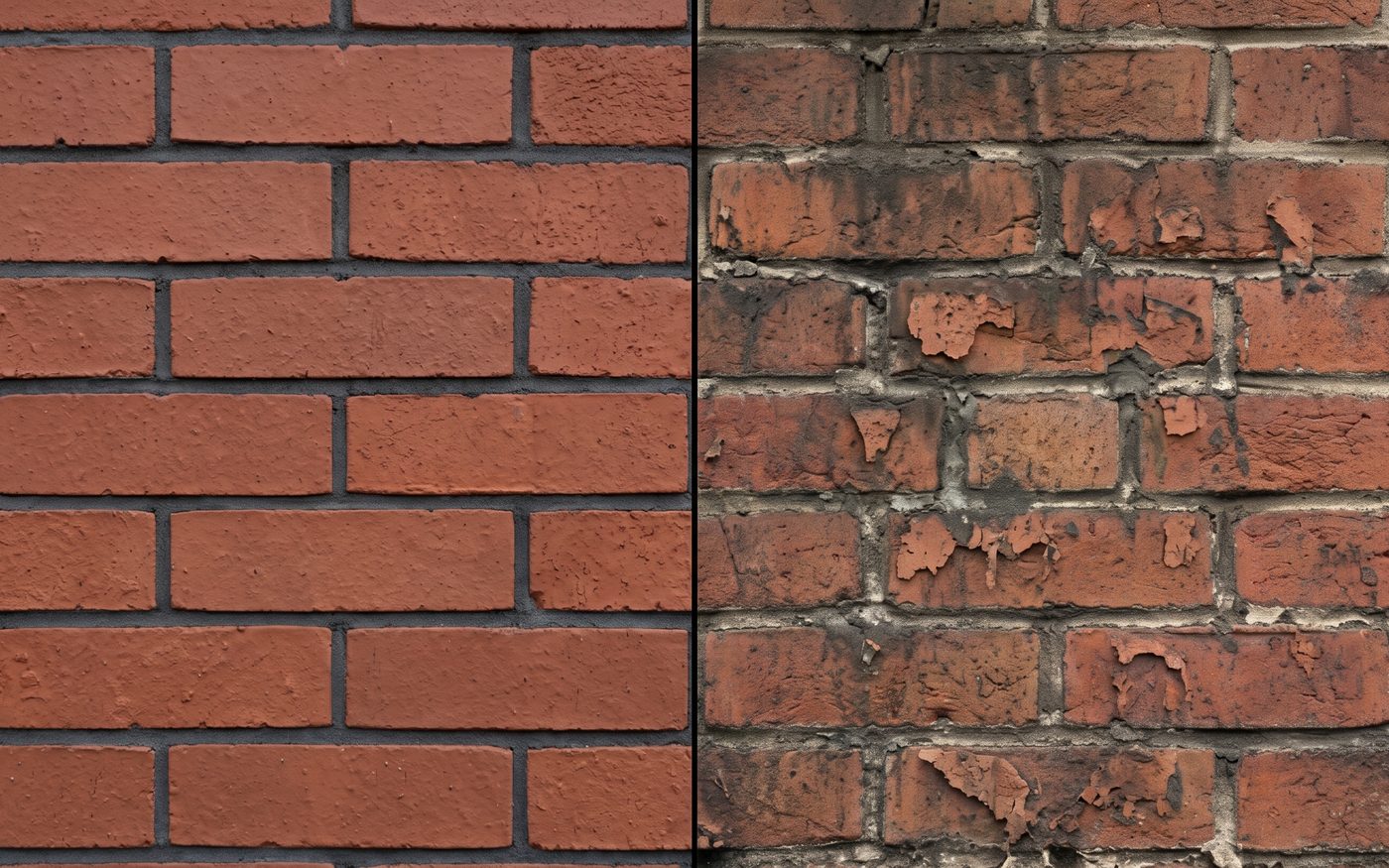
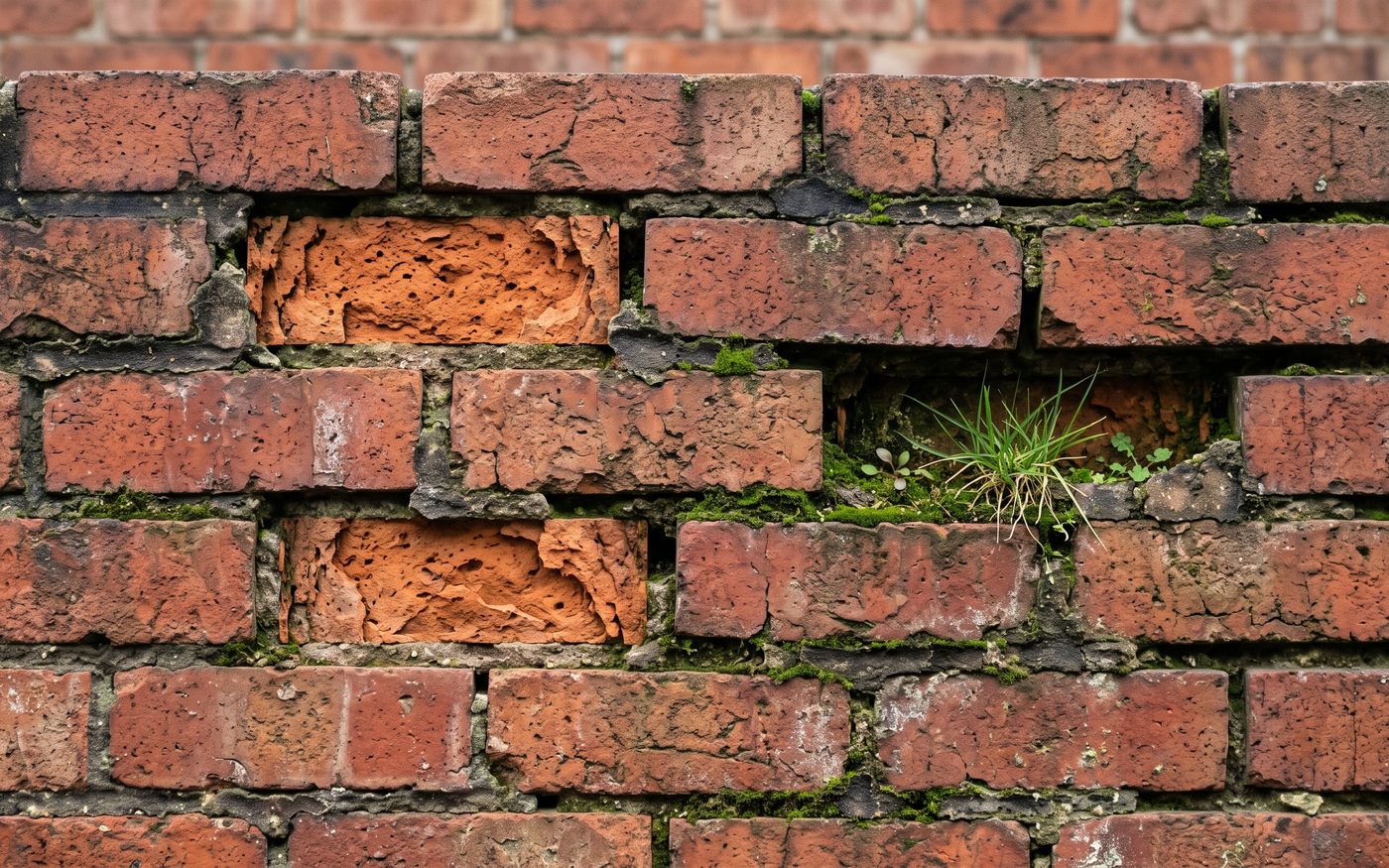
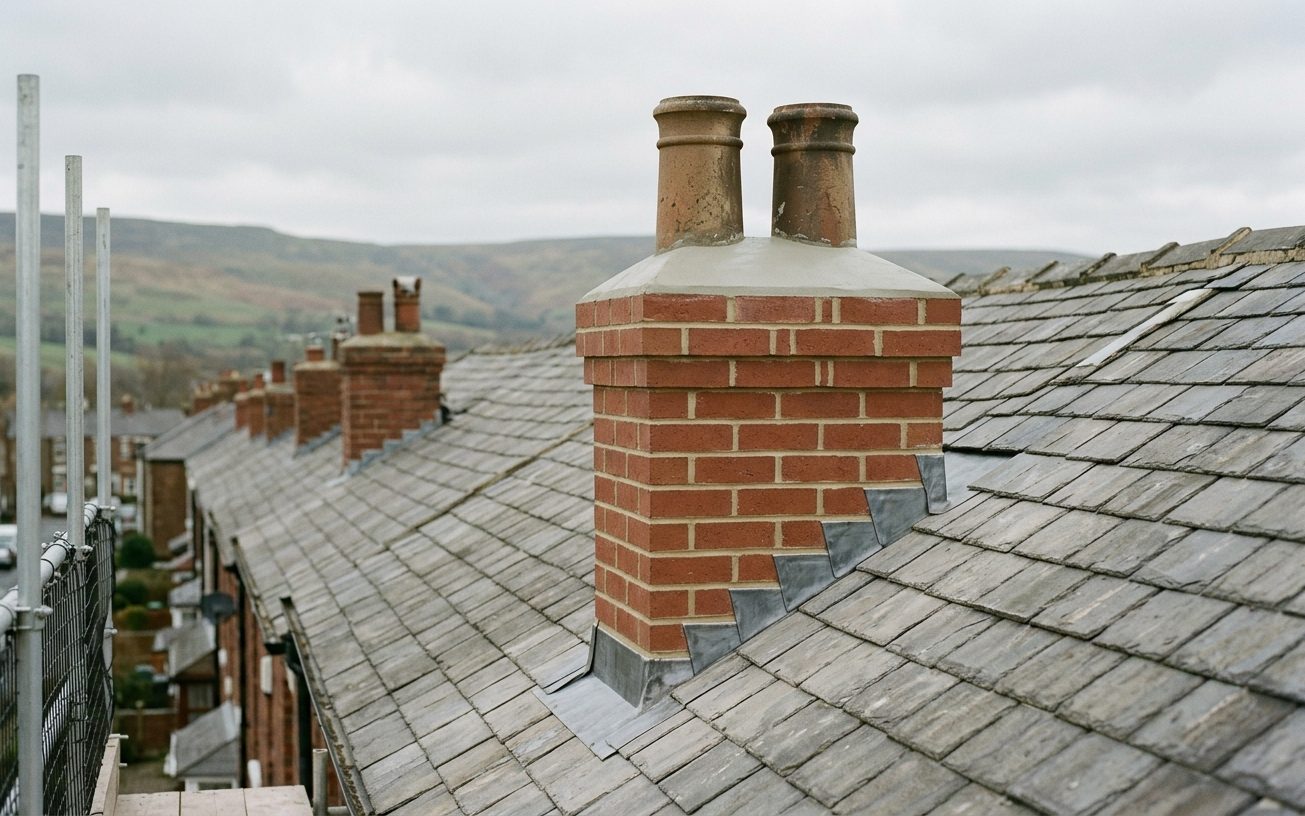
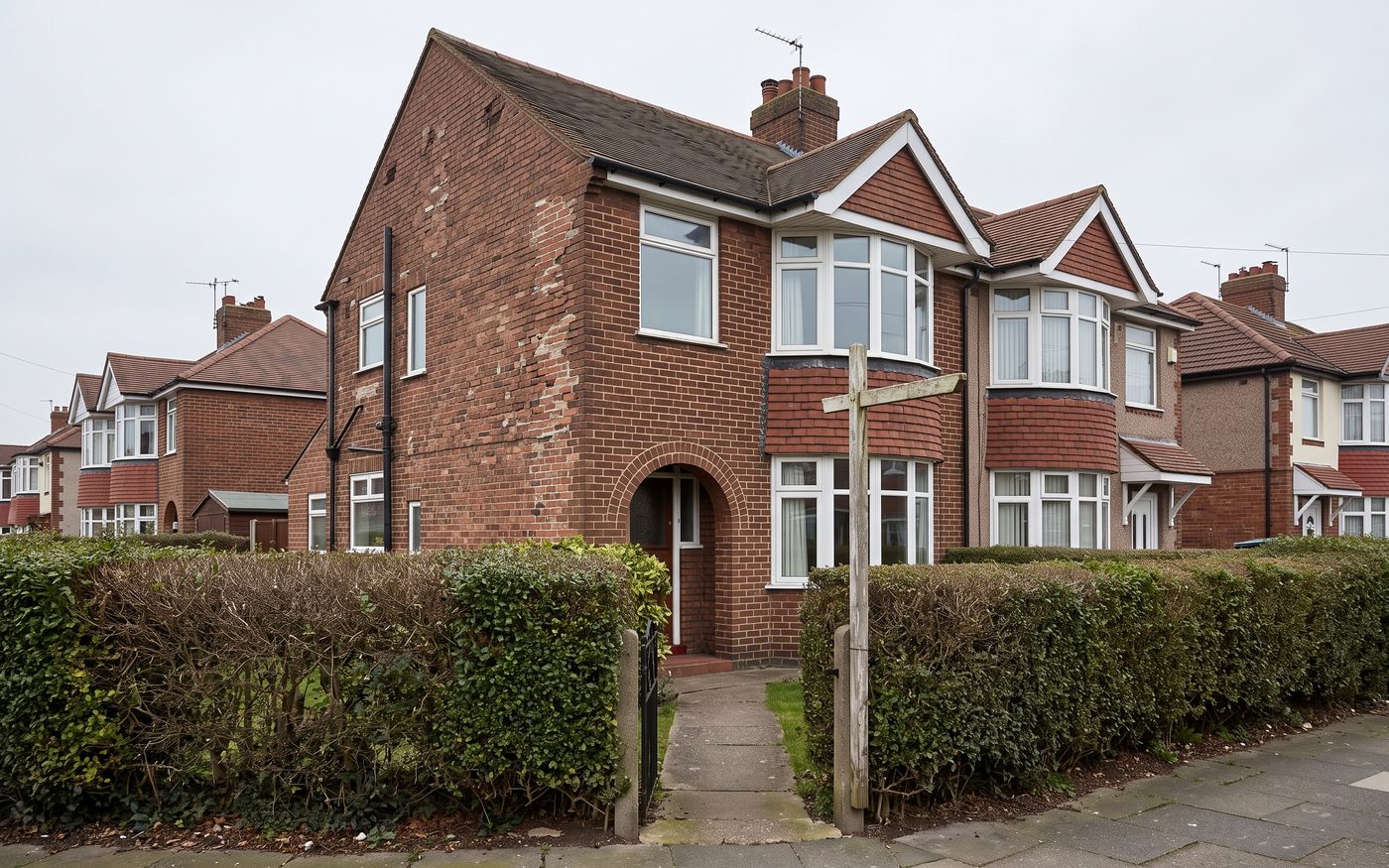
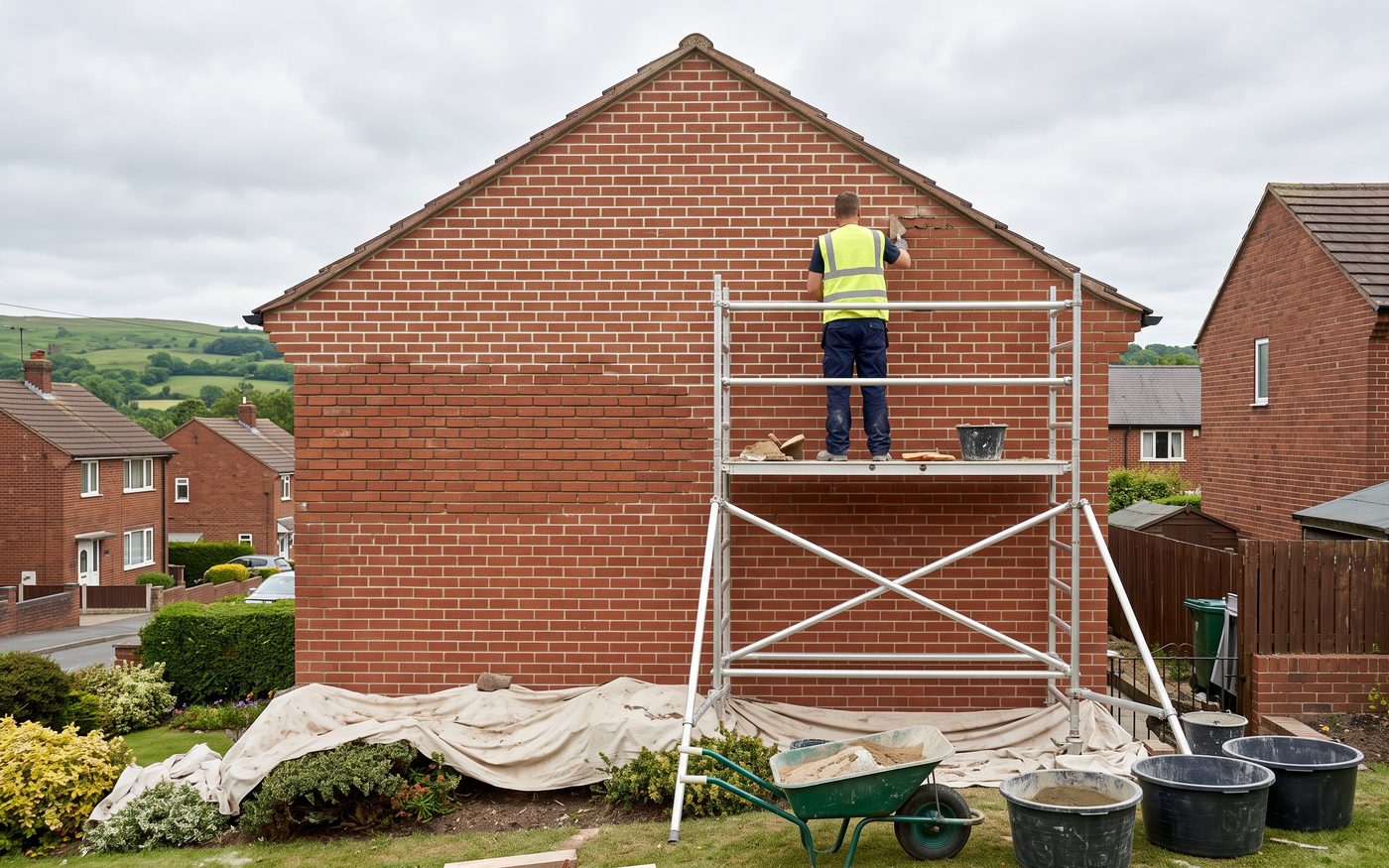
A lot of the stone villages we work in — Saddleworth, Dobcross, Delph, Littleborough, parts of Whitworth, the Toad Lane and Rochdale town centre areas — are conservation areas, and plenty of the older farmhouses and chapels are listed. Repointing them is normal work, but there are rules, and getting the mortar wrong on a listed building can be an offence rather than just a mistake.
Conservation area
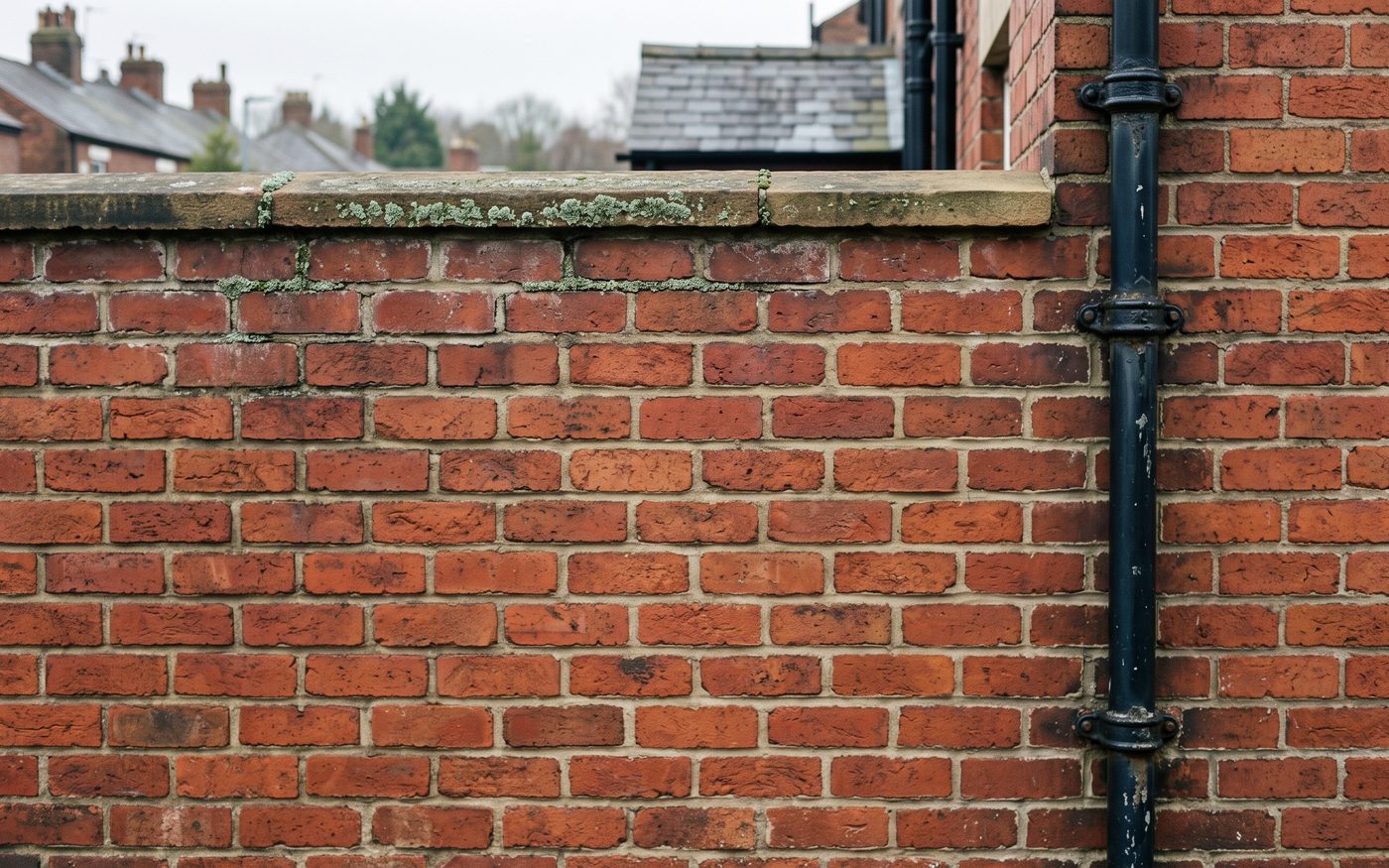
Being in a conservation area on its own does not mean you need permission to repoint your house. Repointing is repair and maintenance and is allowed. What the conservation area does is set an expectation: the work should match the original in material, colour and joint profile. In practice that means lime mortar on stone or pre-1920 brick, matched to the local sand, struck to the profile already on the street, and no cement.
Where it does bite is on anything beyond like-for-like — rendering over stone, changing the joint from recessed to flush, painting brick. Those can need planning permission under an Article 4 direction, and the council will notice.
Listed building
Listed is different. Any work that affects the character of a listed building needs listed building consent, and that includes repointing if it changes the appearance — which cement, the wrong colour or the wrong profile all do. Like-for-like lime repointing that matches the original is usually treated as repair and doesn't need consent, but the safe route is a short email to the conservation officer with photos, the proposed mix and a sample panel before you start. They are nearly always helpful and quick if you ask first, and difficult if you don't.
Doing unauthorised work to a listed building is a criminal offence for the owner, and cement-pointing a listed stone house is exactly the kind of thing that gets enforced. We won't put cement on a listed building.
What the conservation officer wants to see
- Mortar: natural hydraulic lime (NHL 2 or 3.5 depending on exposure) or a lime putty mix, with a sharp local sand. No cement, no "lime-cement" hybrids.
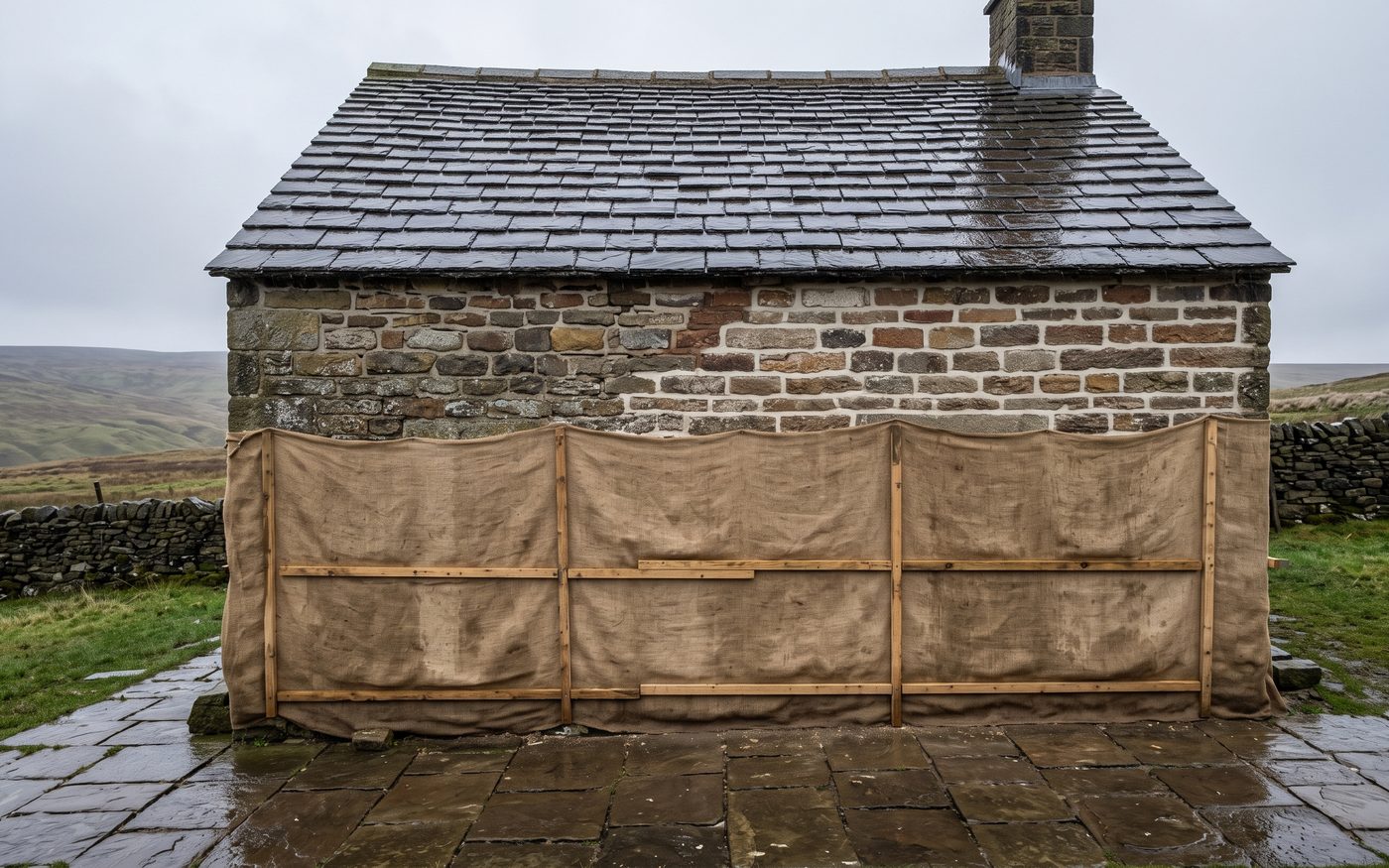
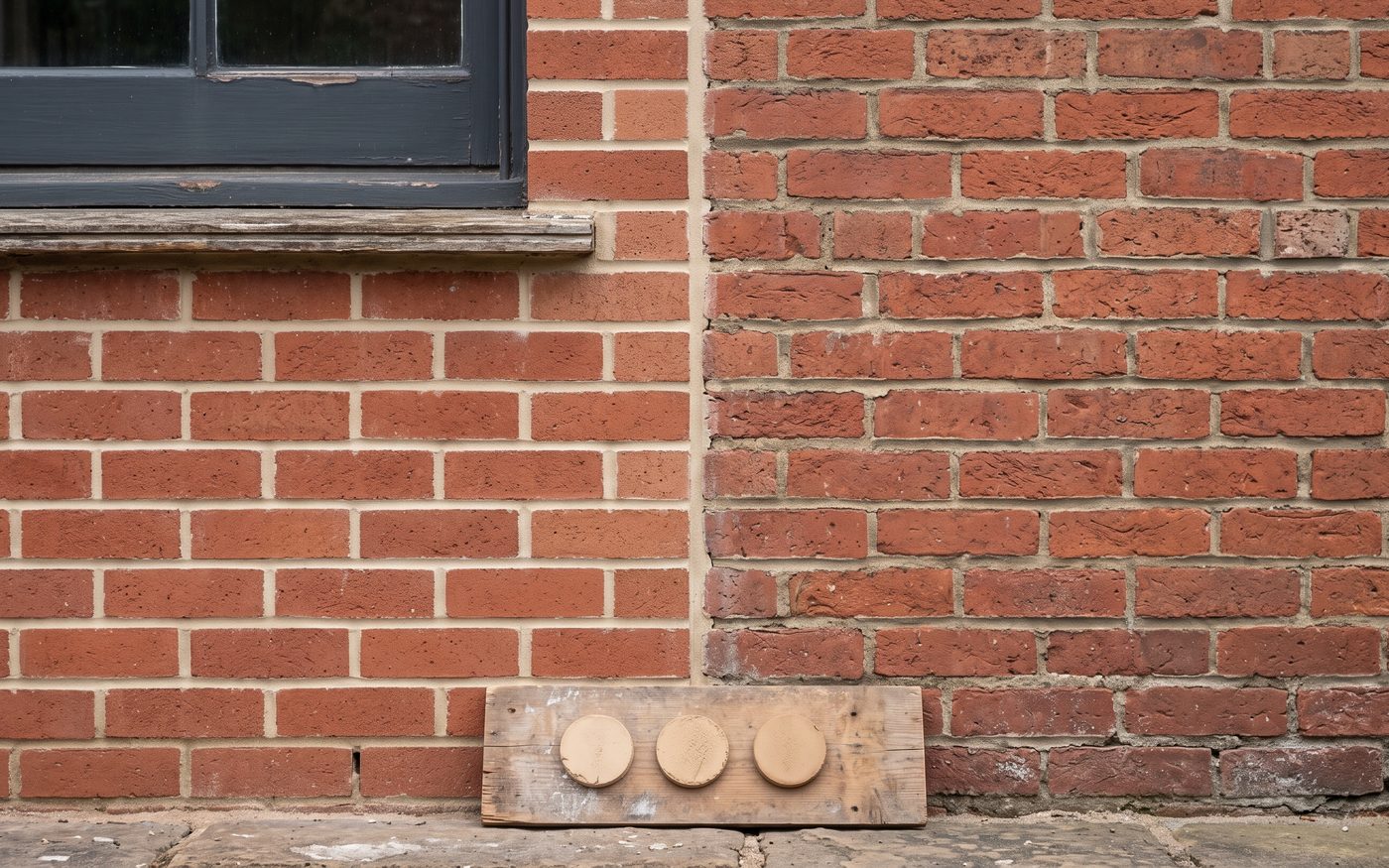
- Colour: matched to the original, which round here is usually a pale buff or sandy grey. We make up a sample and put a panel up on an inconspicuous bit of wall first.
- Joint profile: the same as the original — usually slightly recessed or flush on stone, never proud or ribbon-pointed.
- Raking out: by hand or with care, without widening the joints or damaging the stone arrises. Grinders used badly are the biggest cause of refusals.
How we handle it
We've been working in these villages since 2000 and know what the Rochdale, Oldham and Rossendale officers expect. On a listed job we'll photograph the existing pointing, propose the mix in writing, put a sample panel up for you and the officer to approve, and only then start. It adds a week or two at the front of the job and costs nothing extra.
If you're not sure whether your house is listed or in a conservation area, the council's planning map will tell you in a minute, or ask us and we'll look.