Established 2000 · Free quotes · Fully insured Mon–Fri 7.30–6 · Saturday 8–1 07707 724033

The survey says the house needs repointing — what now?

What a surveyor's "repointing required" actually means, how much to budget or knock off, and whether to fix it before you sell.

"Repointing required to external walls" is one of the most common lines on a Level 2 or Level 3 survey in Greater Manchester, because most houses round here are over eighty years old and most have never been repointed properly. It's rarely a reason to walk away. It is a reason to get a real price rather than guess.

What the surveyor means

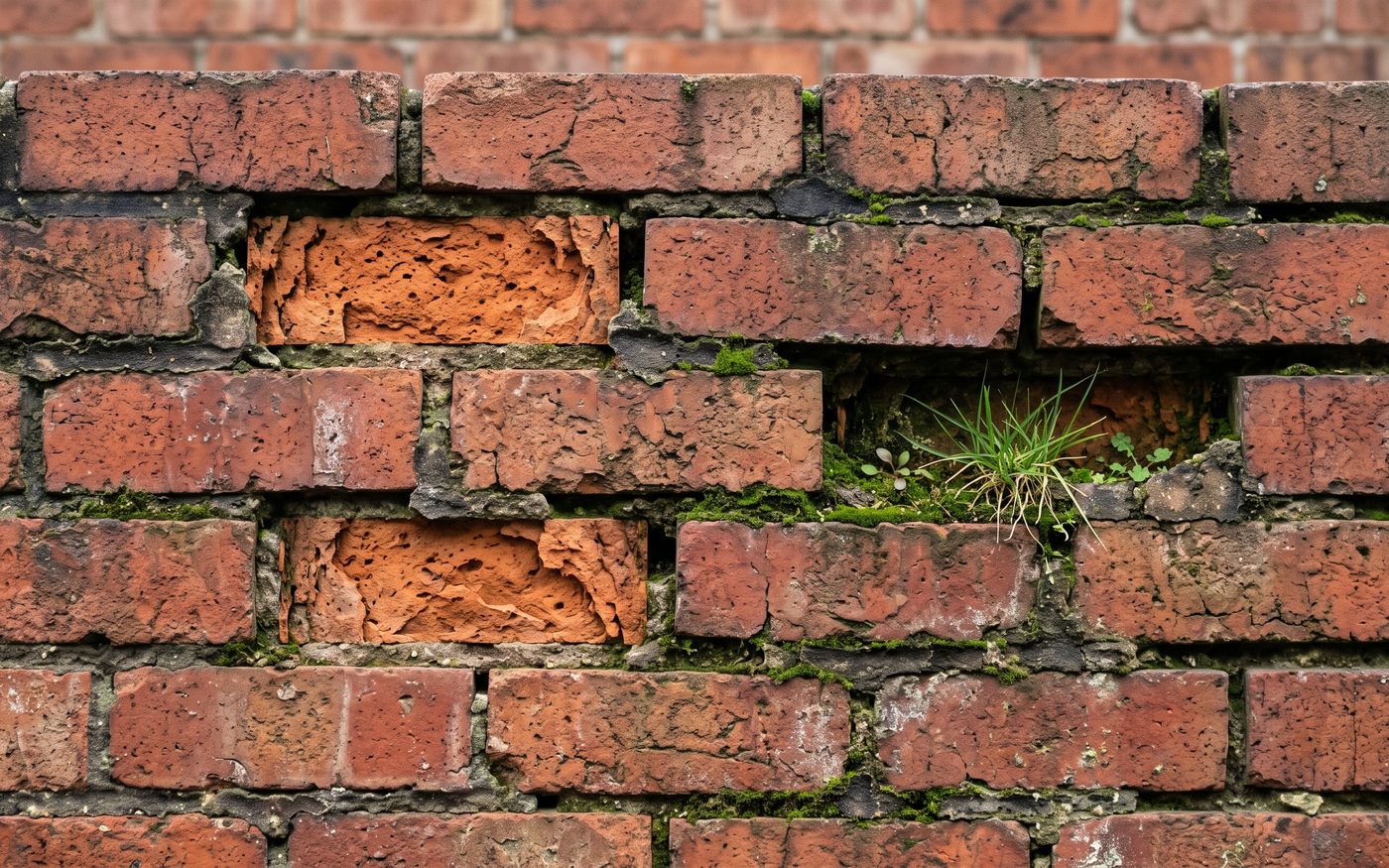
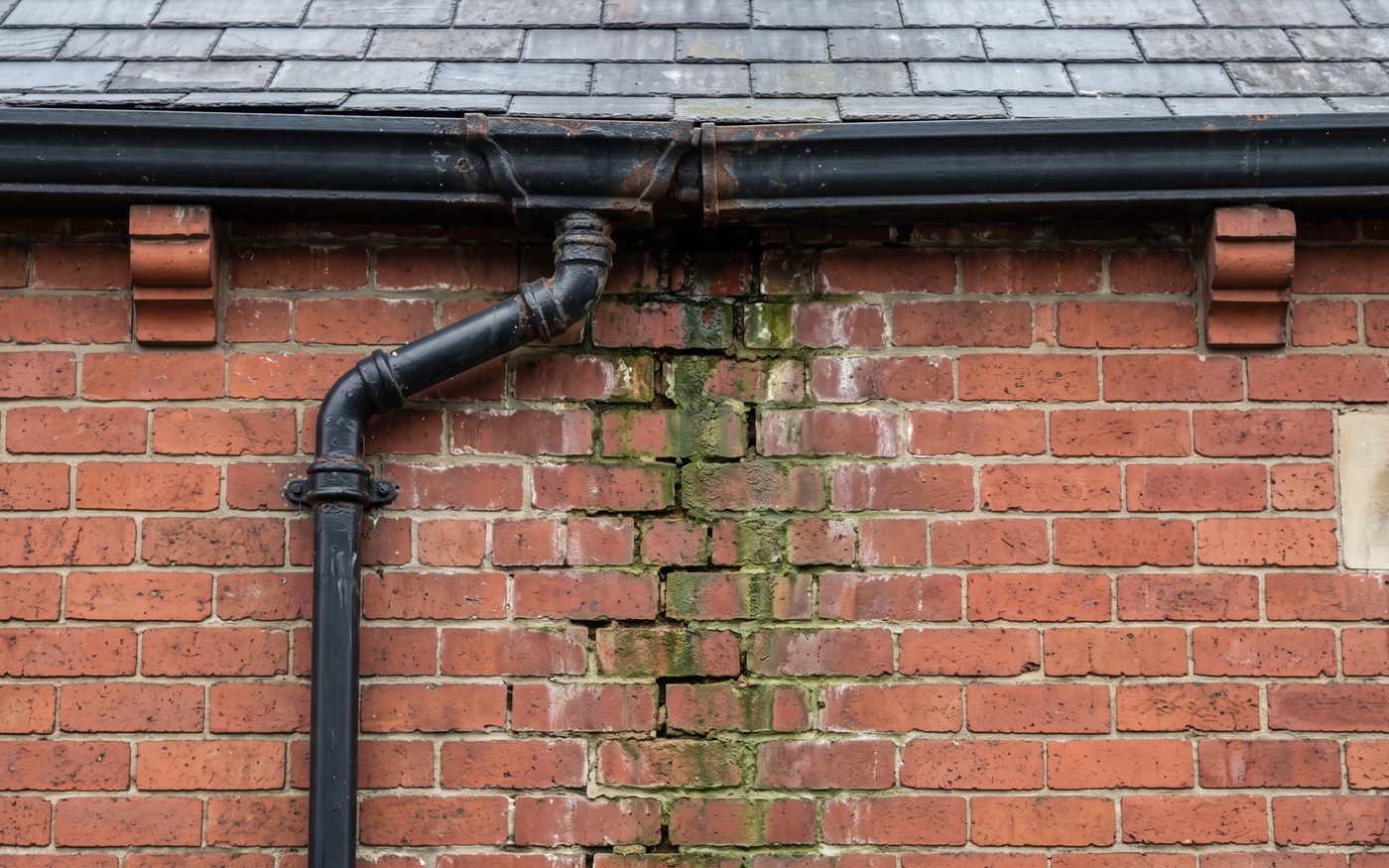
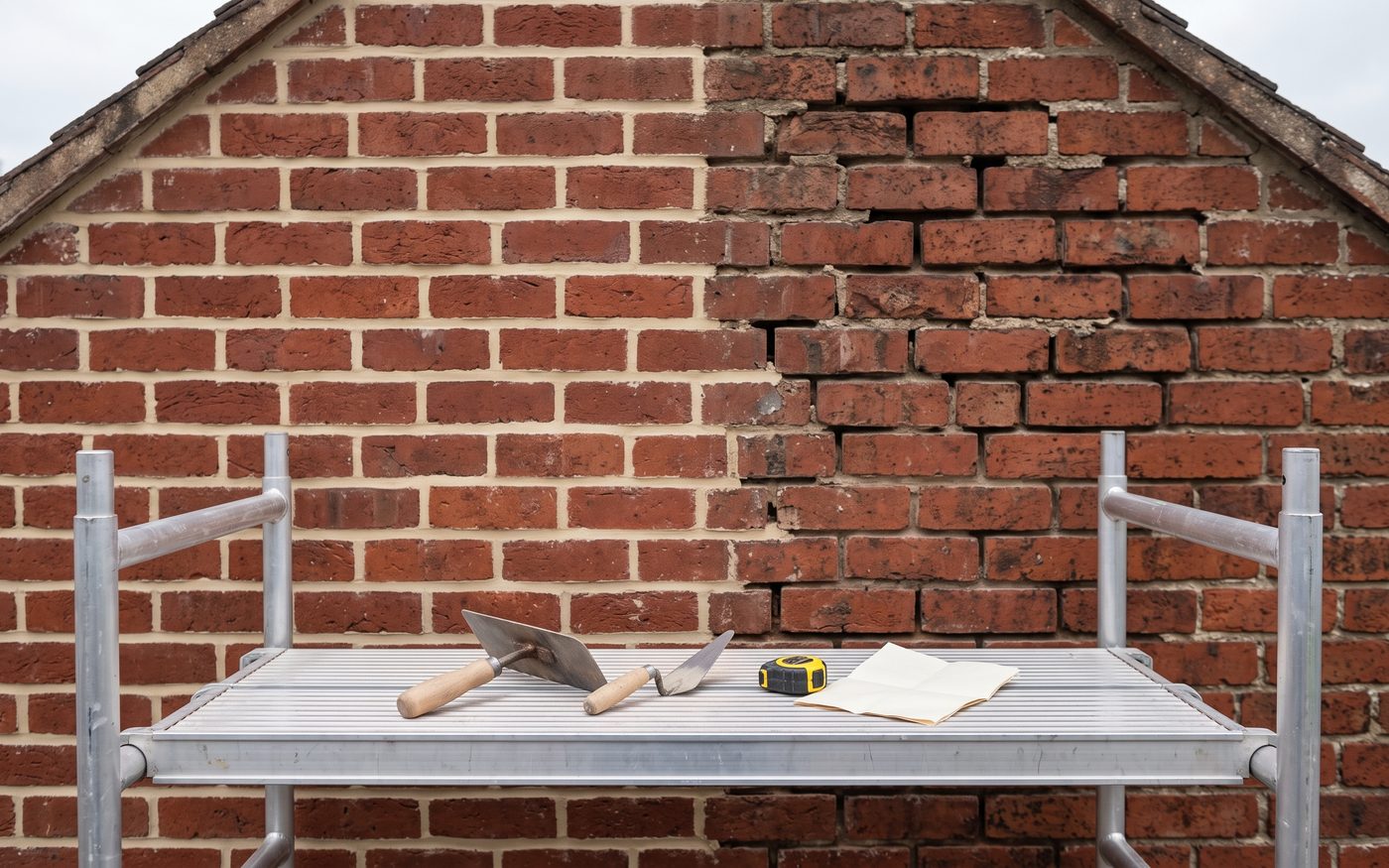
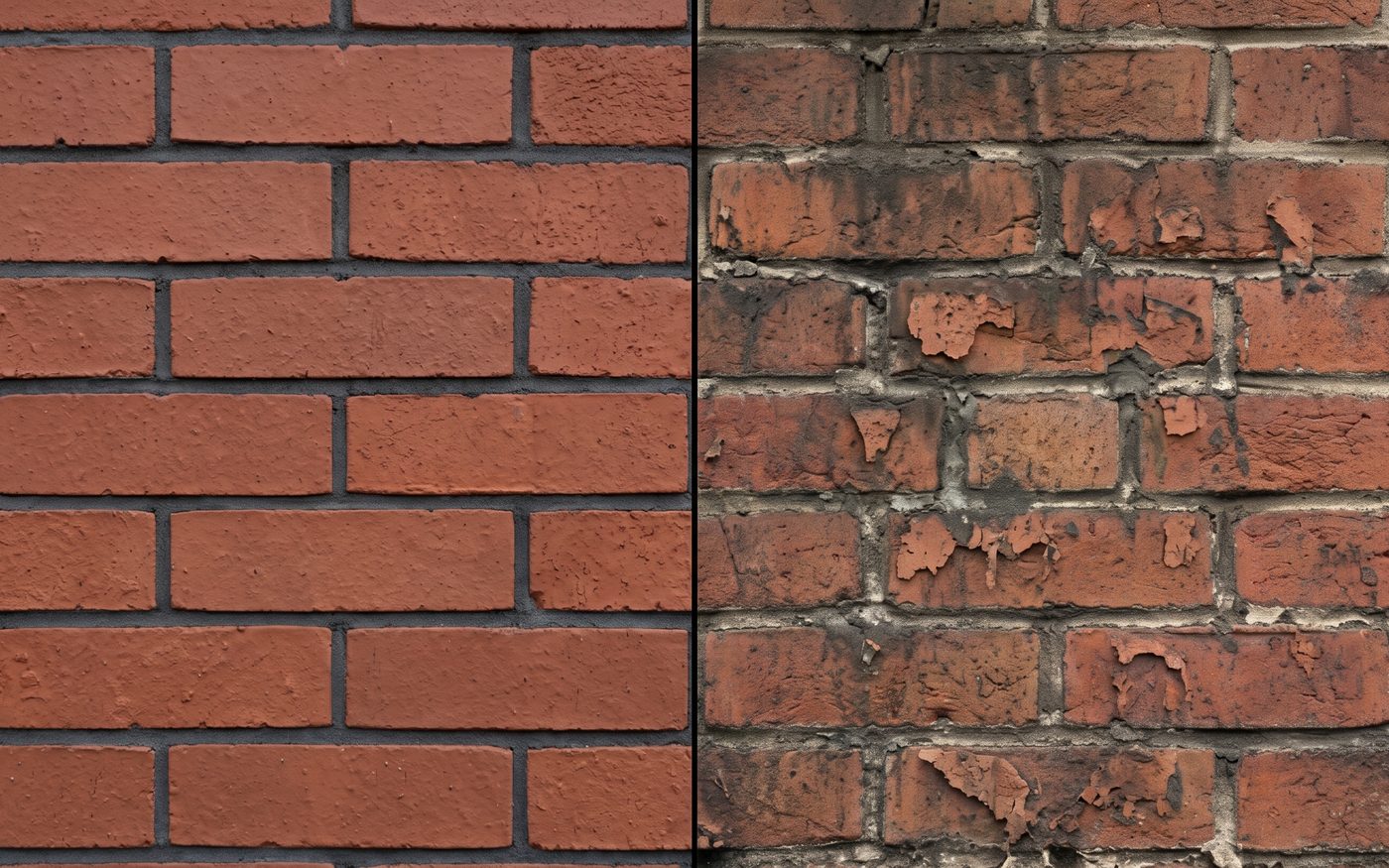
Surveyors look from the ground and flag what they see: eroded joints, cement patching, spalled bricks, a chimney that looks tired. They'll usually grade it — condition rating 2 (defects that need repair but aren't urgent) or 3 (serious, needs attention now). Rating 2 on pointing is normal for a pre-war house. Rating 3, or any mention of damp inside linked to the walls, means water is already getting in and the job goes to the top of the list.

What the survey won't tell you is the area involved or the cost. "Repointing required" can mean one gable or the whole house.

If you're buying

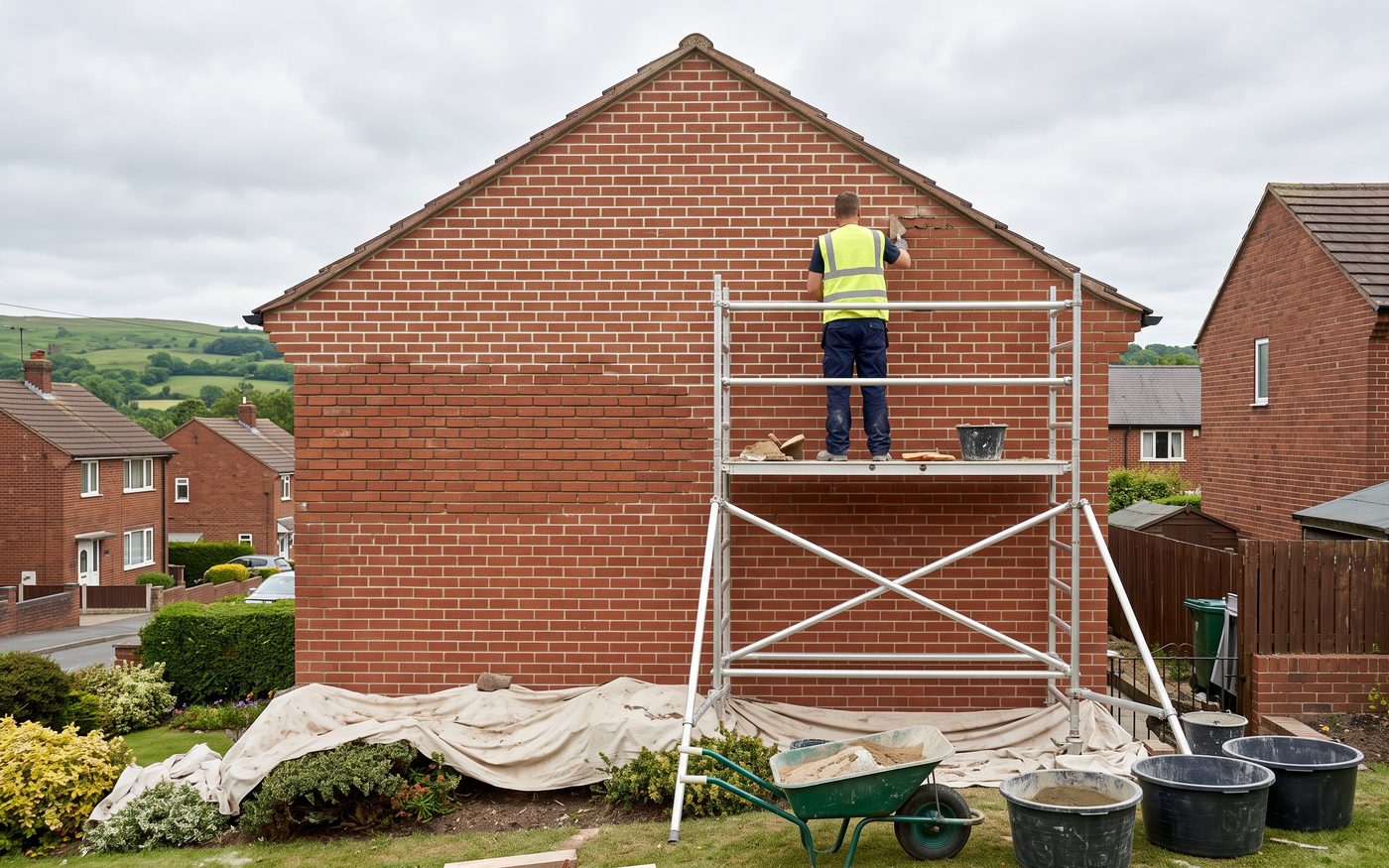
  1. Get a proper quote before exchange. Send us the survey and photos of each elevation, or ask for a survey visit — we'll give a fixed price by elevation so you know exactly what you're dealing with. That turns a vague worry into a number.
  2. Negotiate with the number. A typical semi needing a full repoint is a few thousand pounds; a gable and a chimney is a lot less. Sellers will usually knock off a fair share of a written quote; they won't move much for "the survey says the pointing's bad".
  3. Don't ignore rating 3. Water coming in through the walls damages plaster, timber and decoration, and the bill grows. Budget to have it done in the first year.
  4. Check the mortgage lender's position. Some lenders retain money against rating 3 defects until the work is done. Having a quote in hand helps.

If you're selling

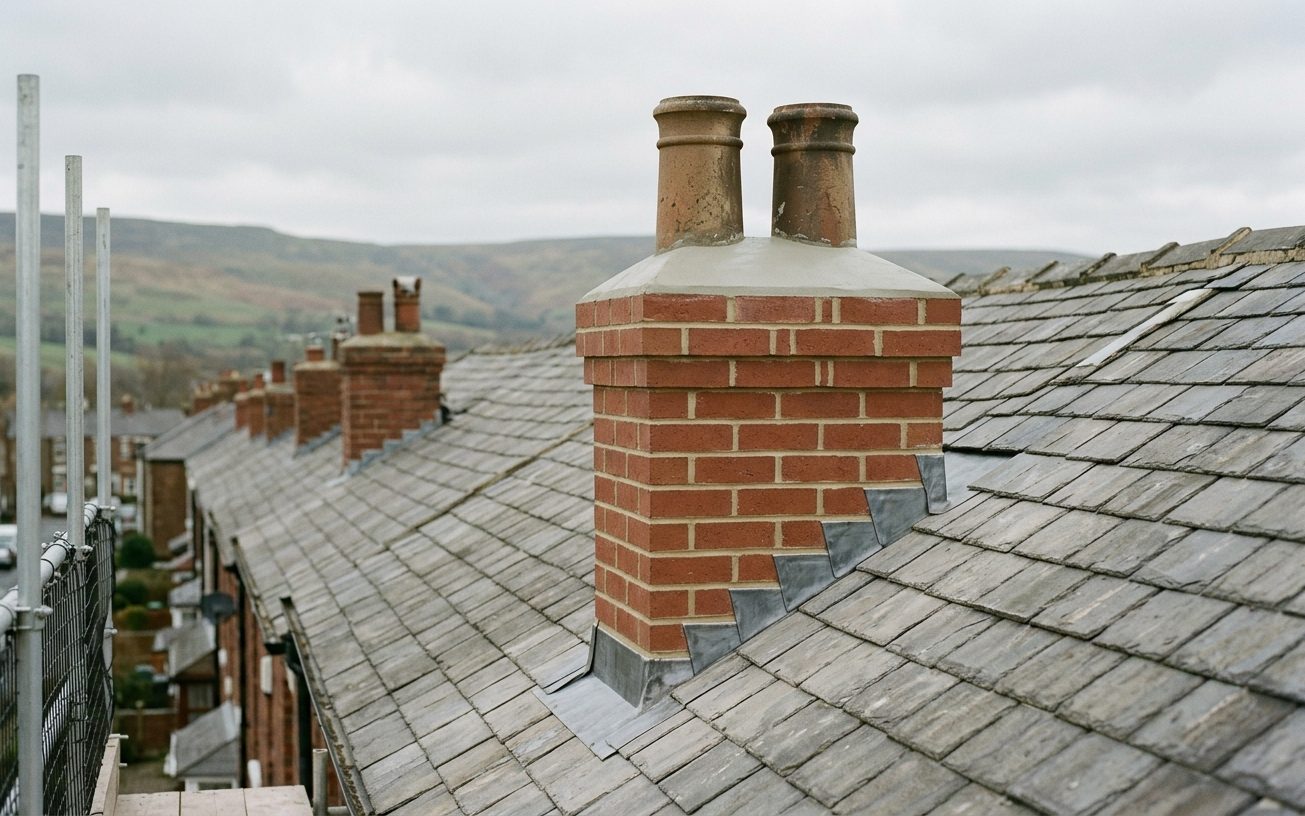
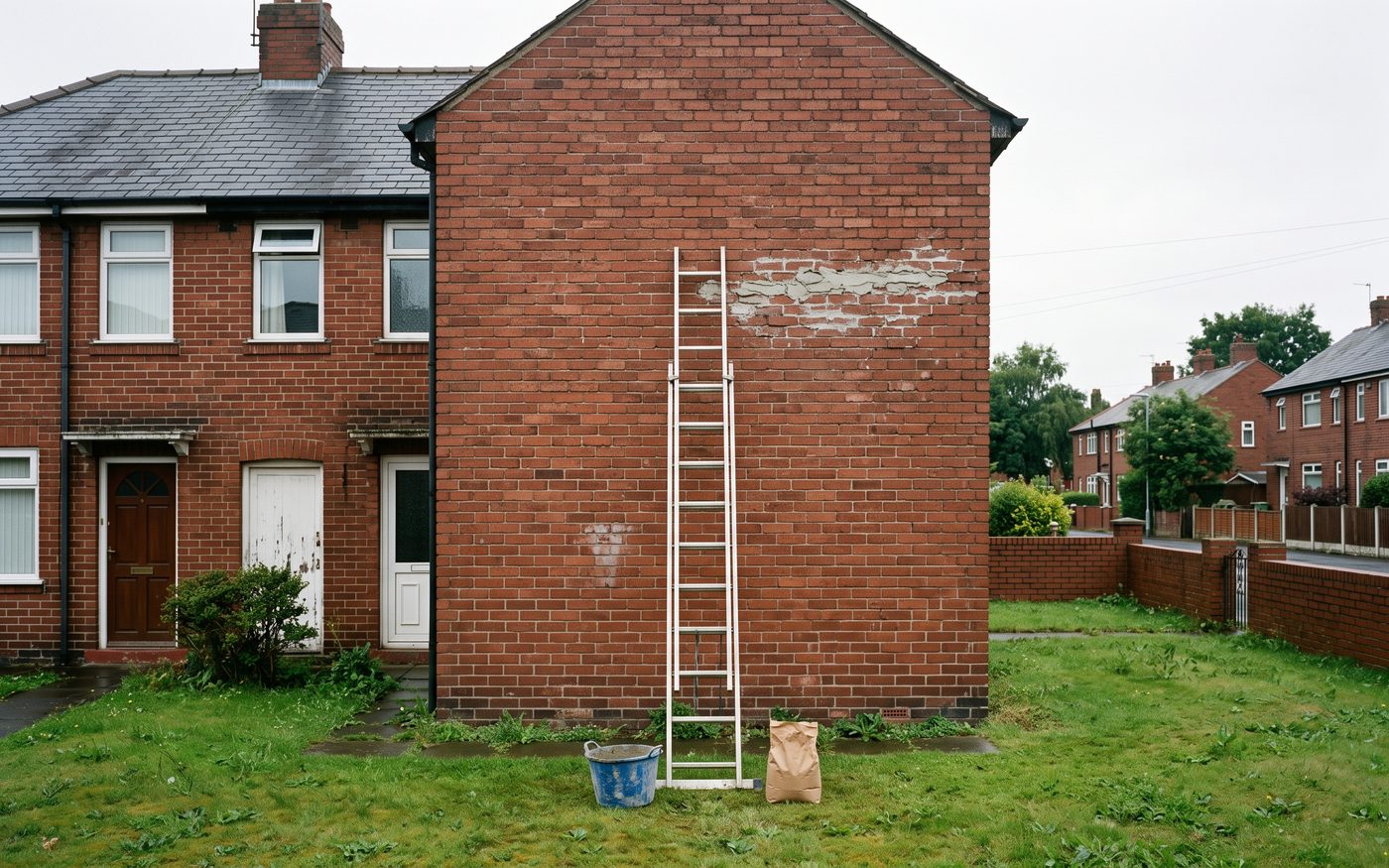
Repointing before you market is worth it if the pointing is visibly bad from the street — buyers form a view of the house before they've got out of the car, and a scruffy gable costs you more in offers than the repointing costs to do. If it's only the survey that would pick it up, most sellers leave it and expect a small negotiation. A chimney that's shedding mortar is the exception: fix it, because it comes up on every survey and every buyer worries about it.

Get it done properly if you do it. A quick smear-over to get through a sale is easy to spot, and a bad surveyor's report on new pointing is worse than one on old.

What it costs

Our guide prices are the place to start: from around £45 per m² for cement repointing on brick, lime from £65–70 per m², a chimney from about £550. A full semi is typically £3,000–£6,000 depending on access and mortar; a gable end from about £1,400. Every job is fixed price after a survey, so the number you negotiate with is the number you'll pay.
Written by Scott Higginson, Perfect Pointing, Rochdale. Guide figures are ours, for Greater Manchester, and every job is quoted fixed-price after a survey.

More advice

How much does repointing cost in 2026?

How much does repointing cost in 2026?

Guide prices per square metre for brick, lime and stone, what pushes the price up, and how to compare quotes.

Read →
Lime or cement — which mortar does my house need?

Lime or cement — which mortar does my house need?

The one question that matters most on an older house, and how to tell which you've got.

Read →
Six signs your pointing has failed

Six signs your pointing has failed

What to look for from the pavement, and which ones mean water is already getting in.

Read →
Chimney repointing explained

Chimney repointing explained

Why the stack goes first, what flaunching is, and what a proper chimney job includes.

Read →
Can I repoint my house myself?

Can I repoint my house myself?

Yes for a garden wall. Probably not for the house — where DIY jobs go wrong and what it costs to put right.

Read →
How long does repointing last?

How long does repointing last?

Fifty years or more if it's done right. Two or three if it isn't. What decides which one you get.

Read →
When is the best time of year to repoint?

When is the best time of year to repoint?

April to October, and not in a heatwave. Why frost and hot sun both ruin new mortar, and how we work round the Pennine weather.

Read →
Will repointing stop damp coming through my wall?

Will repointing stop damp coming through my wall?

Usually — if it's penetrating damp and the pointing is the reason. How to tell, and the cases where repointing won't fix it.

Read →
Repointing in a conservation area or listed building

Repointing in a conservation area or listed building

What you can do without permission, why lime is usually a condition, and how we handle Saddleworth, Littleborough and the Rochdale conservation areas.

Read →
Will the new pointing match the rest of the house?

Will the new pointing match the rest of the house?

Yes, if it's matched properly — sand, colour, joint profile and finish. Why some repointing stands out from the road and how we stop that happening.

Read →
What to expect when we repoint your house

What to expect when we repoint your house

How long it takes, whether you need scaffolding, how much dust and mess there is, and what to do before we arrive.

Read →

Got a wall you're not sure about?

Send photos. Scott will tell you what he sees and give a rough figure before he visits.

07707 724033
Call Scott — 07707 724033