Established 2000 · Free quotes · Fully insured Mon–Fri 7.30–6 · Saturday 8–1 07707 724033

What to expect when we repoint your house

How long it takes, whether you need scaffolding, how much dust and mess there is, and what to do before we arrive.

Most people have never had a house repointed and don't know what they're letting the street in for. This is the honest version: it's noisy for the first day or two, it's dusty, and then it's quiet, and a typical semi is done inside a week.

How long it takes

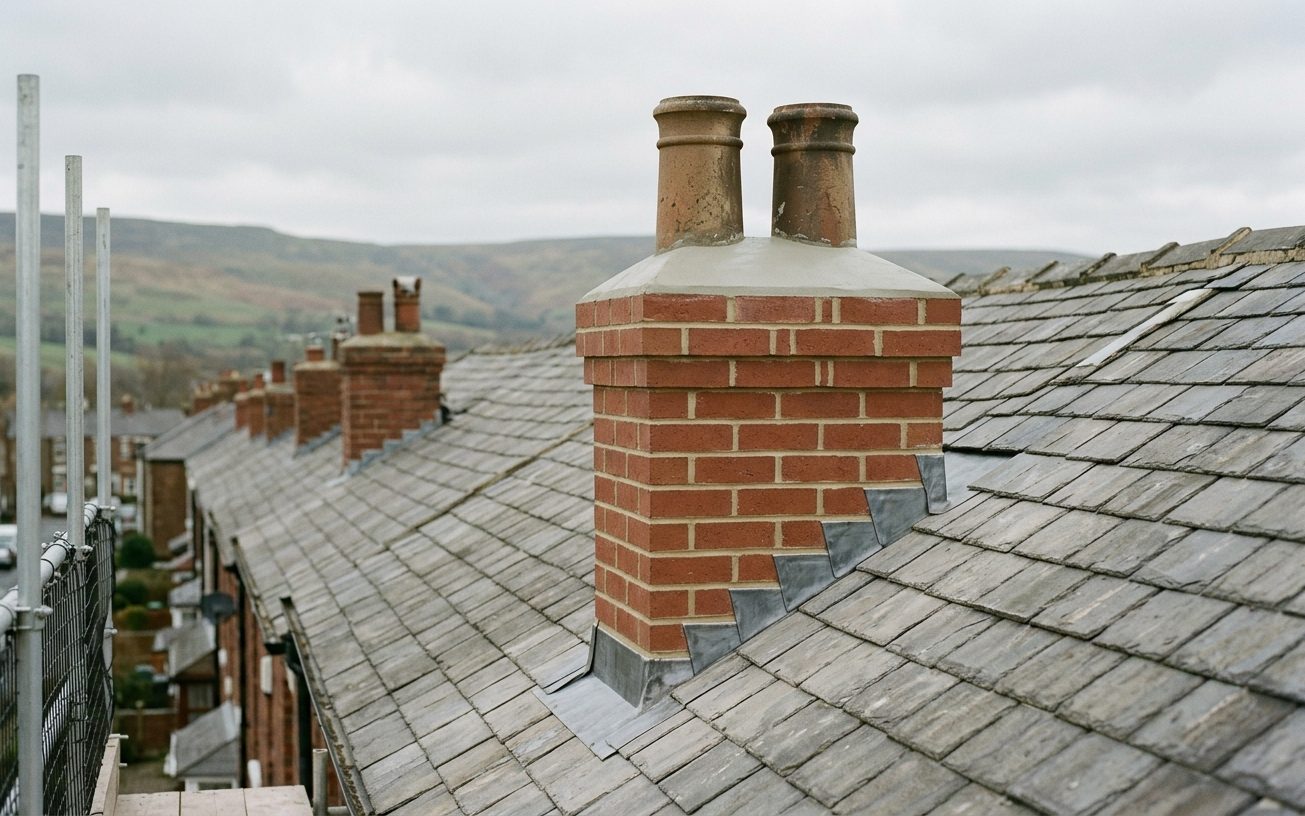
  • A chimney stack: one to two days including access.
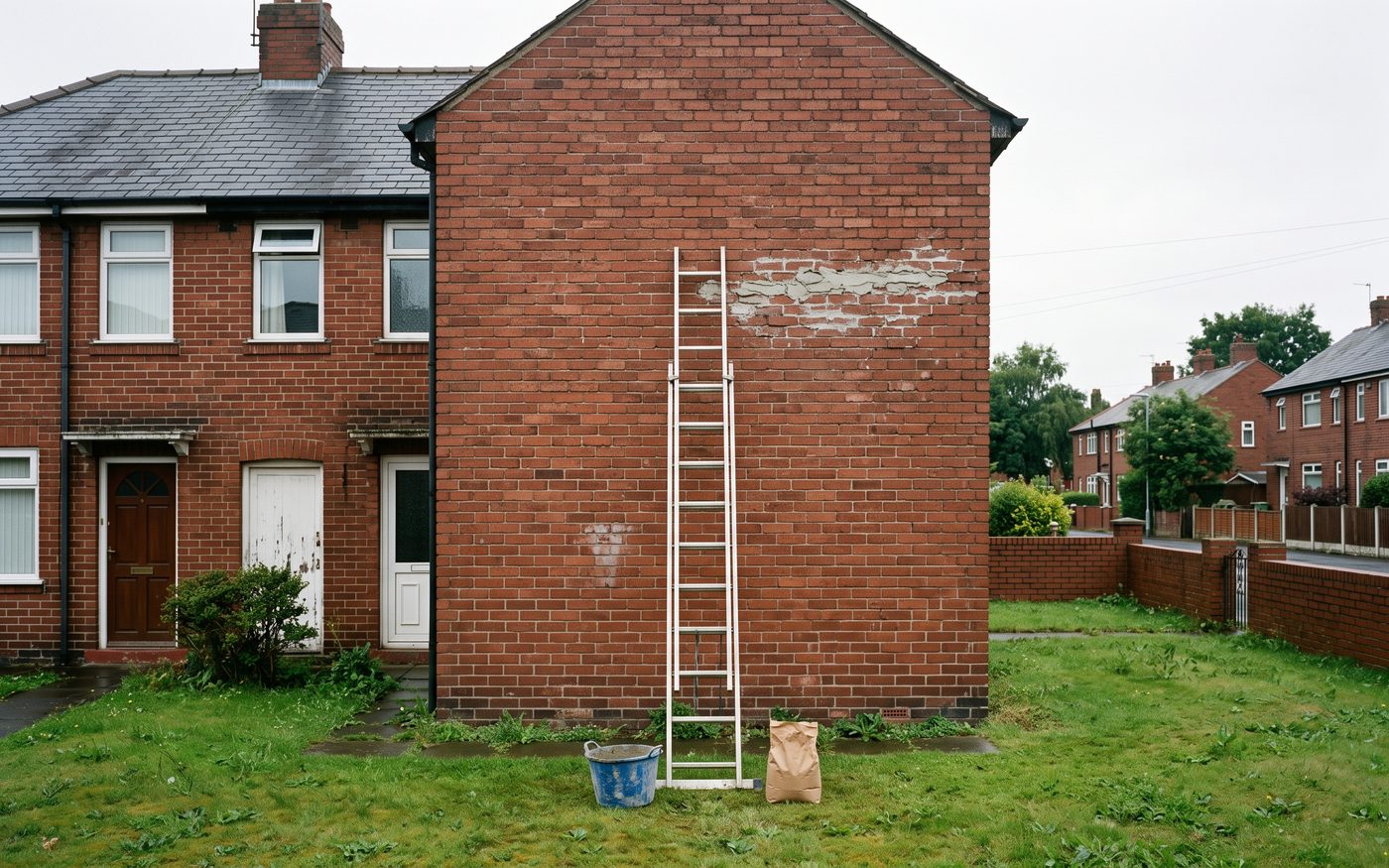
  • A gable end: two to three days.
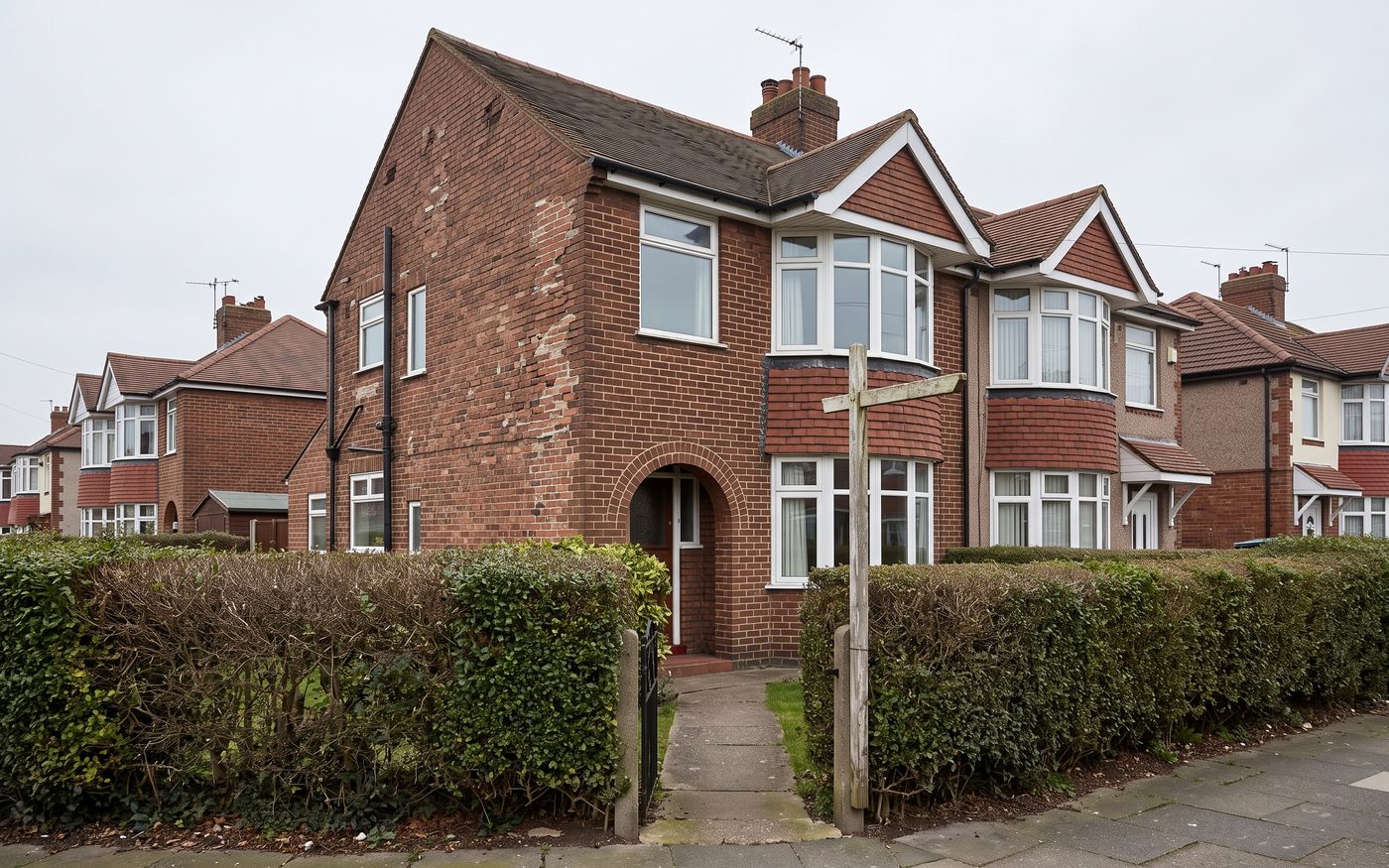
  • A full semi-detached house, all elevations: five to eight working days in cement, longer in lime because it's slower to lay and needs protecting.
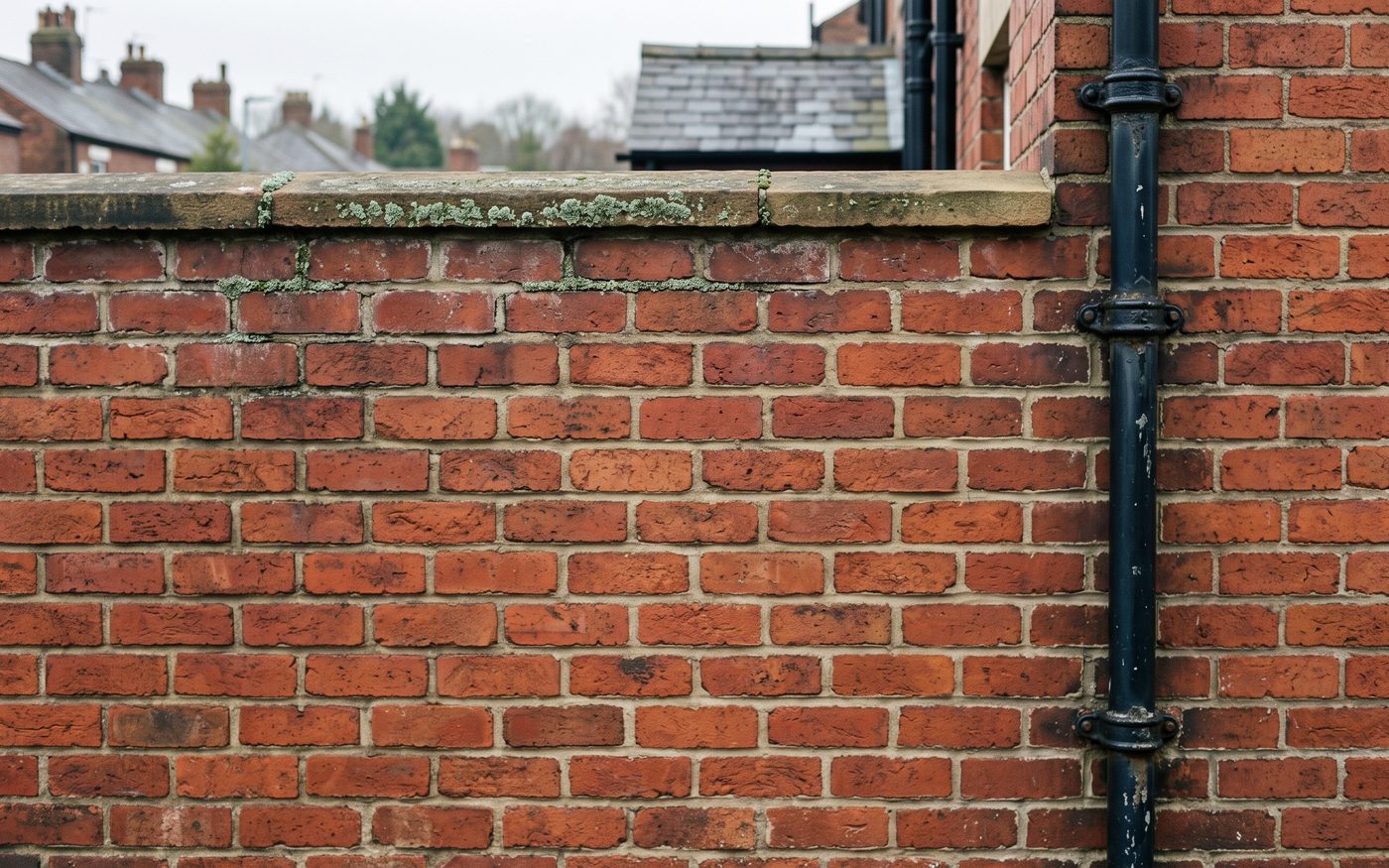
  • A garden wall or patio: usually a day.

Lime work and exposed sites depend on the weather — see best time of year to repoint. We'll give you a start date and a realistic finish, and we don't leave a job half-done to start another.

Access: tower or scaffold

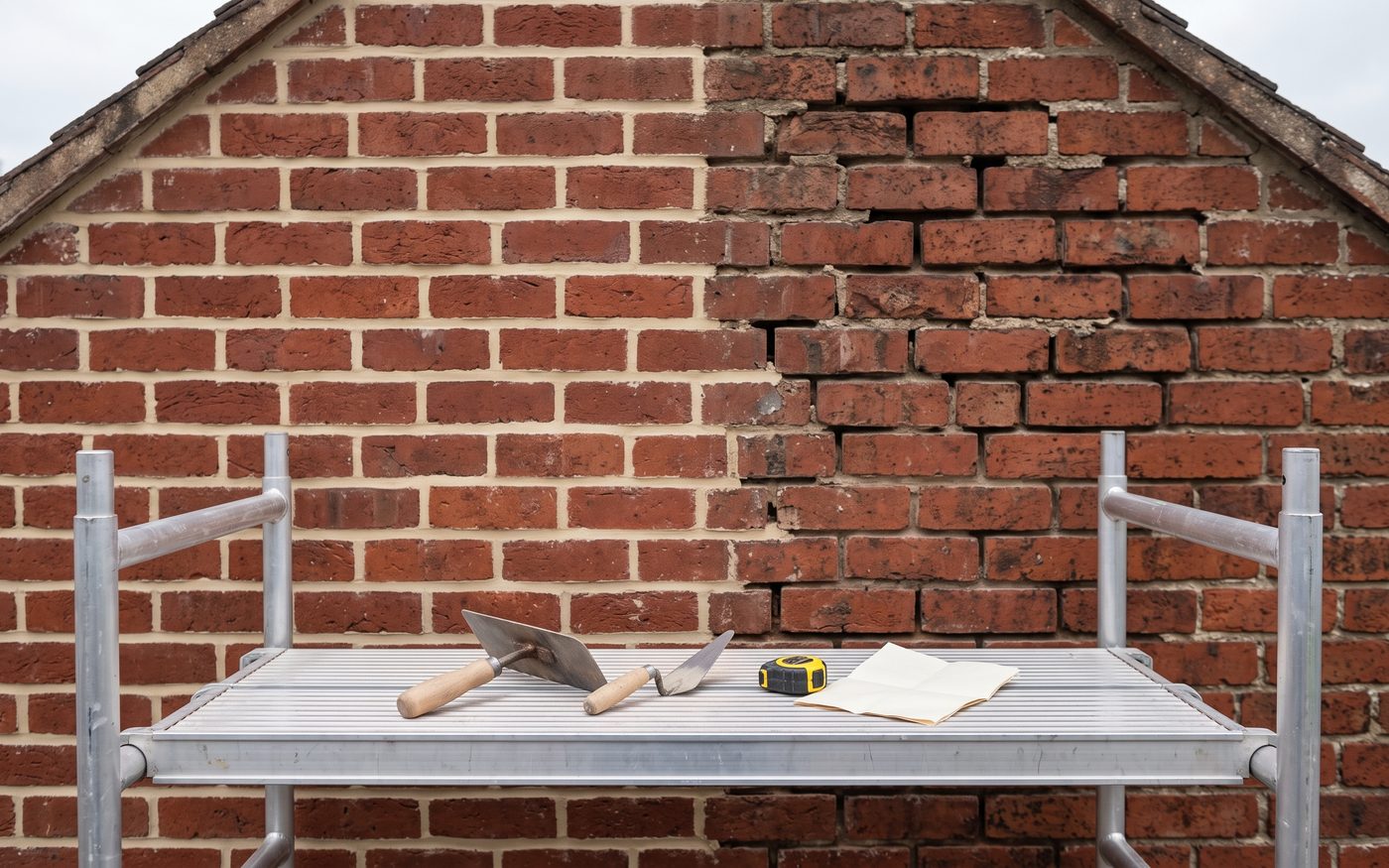
Most two-storey houses are done from an alloy tower, which we bring and move along the elevation as we go. It costs you nothing extra and goes up and down the same day. Three-storey houses, steep roofs, chimneys in awkward positions and anything over a conservatory or a neighbour's extension may need a fixed scaffold, which is quoted separately and usually stays up for the job. We use a tower with edge protection on chimneys rather than roof ladders — nobody is working off a ladder.

Dust, noise and mess

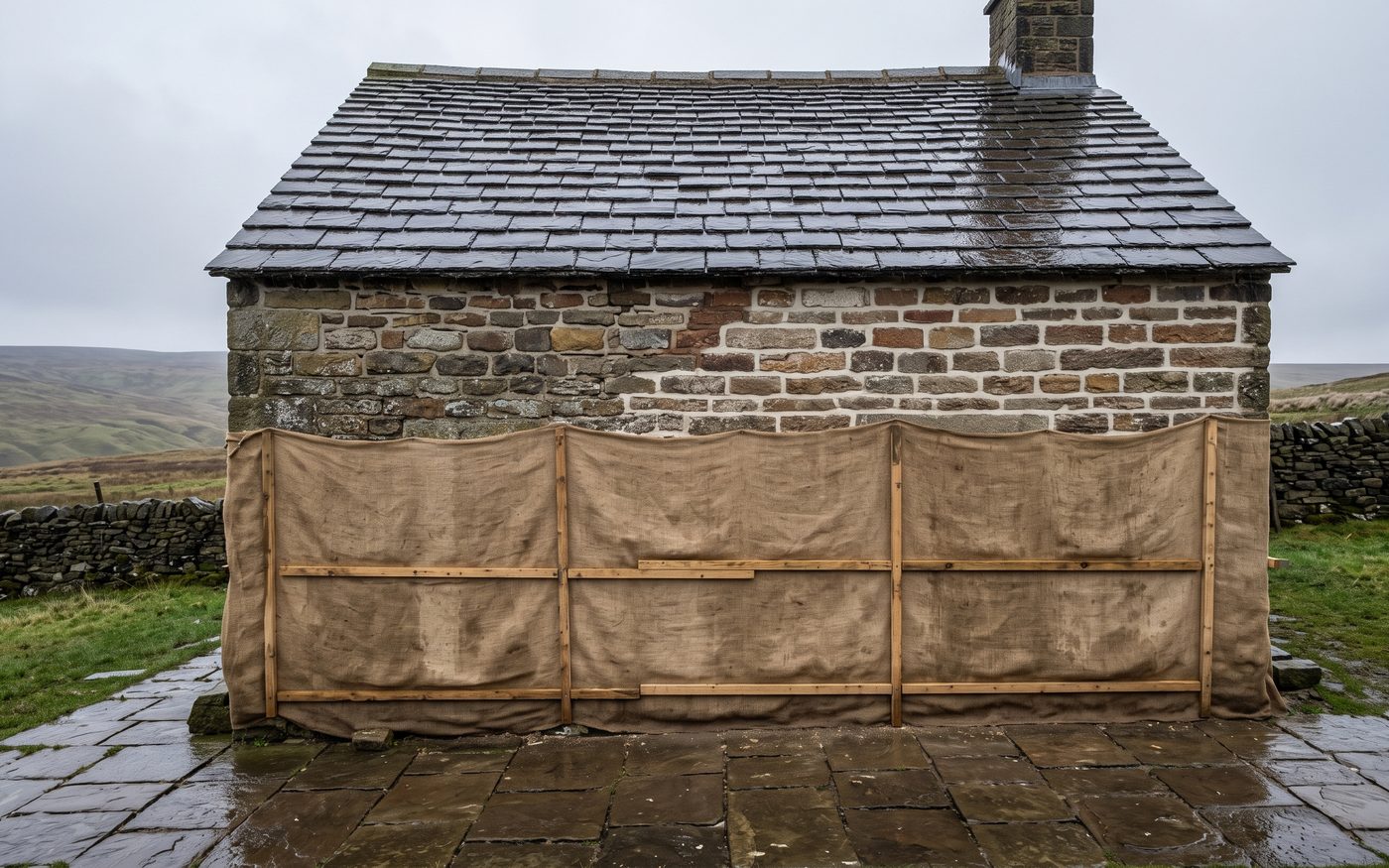
Raking out is the messy part. We use grinders with dust extraction, but there is still dust, and it's noisy — the first day or two on each elevation is the loud part. We sheet the ground, windows and anything below the wall, clean up every day and take the waste away. Once the raking's done, the pointing itself is quiet.

Things worth doing before we arrive:

  • Move cars off the drive or away from the wall we're working on.
  • Take anything precious off windowsills on the inside of the walls being done — the vibration from raking out can shift ornaments.
  • Cover or move pots and plants at the base of the wall. We sheet them, but they're happier out of the way.
  • Tell the neighbours if the wall is on a boundary; we'll speak to them too and get access agreed if we need to stand on their side.
  • Close the windows on that elevation. Dust gets in through trickle vents, so tape those if you're bothered.

While it's curing

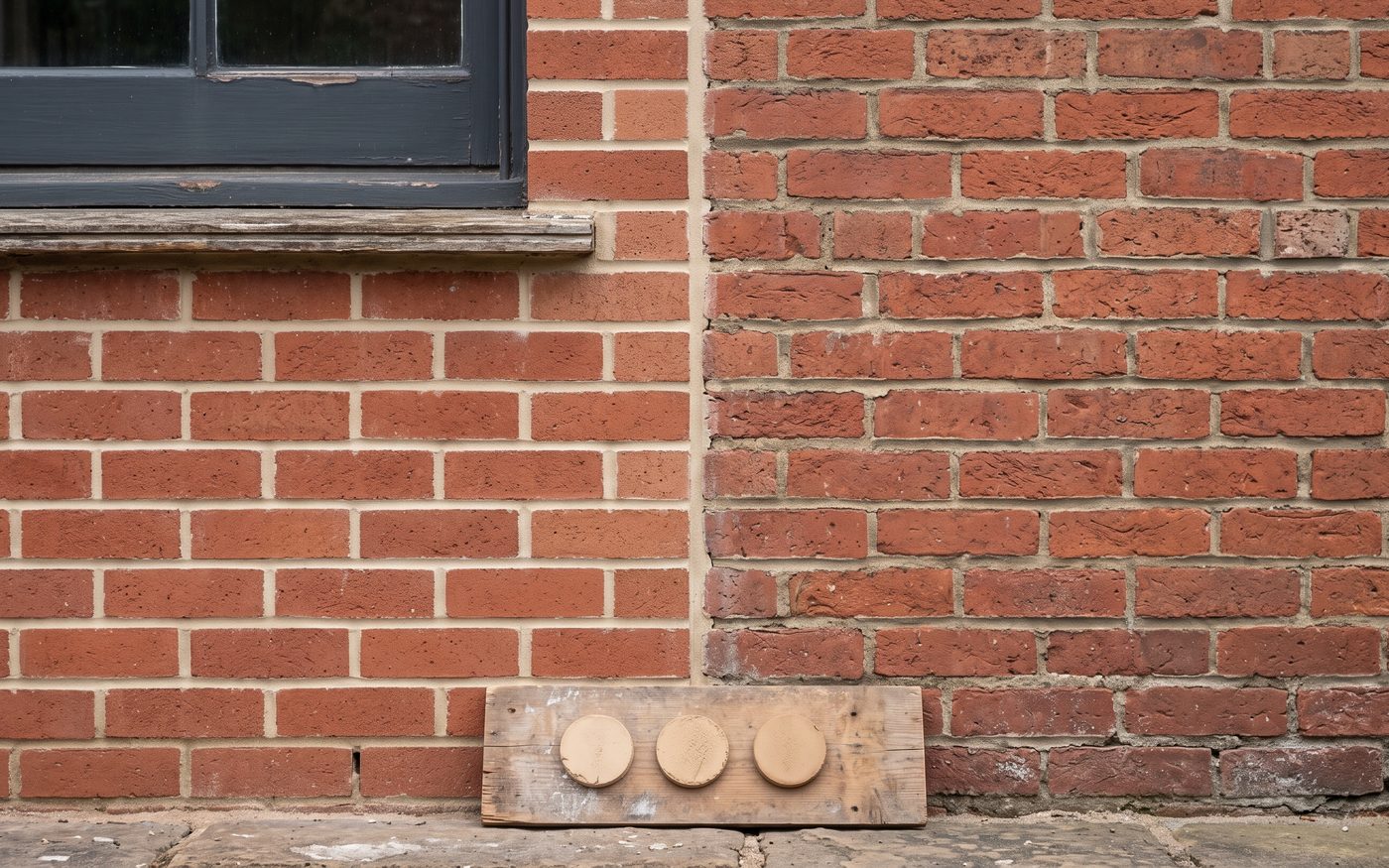
New pointing needs leaving alone. We'll keep it sheeted or damp as the weather demands; please don't pressure-wash it, paint it, hang baskets off it or let anyone pick at it for the first couple of weeks. Lime stays soft for longer and is sheeted for a week or more on exposed walls. The pointing will look lighter than the rest of the house at first and darken over the coming months.

Afterwards

We take the tower and sheeting away, clear the ground and walk round with you. If anything isn't right we sort it before we're paid. Every job carries our 10-year written guarantee, and you'll have Scott's number if anything comes up later.
Written by Scott Higginson, Perfect Pointing, Rochdale. Guide figures are ours, for Greater Manchester, and every job is quoted fixed-price after a survey.

More advice

How much does repointing cost in 2026?

How much does repointing cost in 2026?

Guide prices per square metre for brick, lime and stone, what pushes the price up, and how to compare quotes.

Read →
Lime or cement — which mortar does my house need?

Lime or cement — which mortar does my house need?

The one question that matters most on an older house, and how to tell which you've got.

Read →
Six signs your pointing has failed

Six signs your pointing has failed

What to look for from the pavement, and which ones mean water is already getting in.

Read →
Chimney repointing explained

Chimney repointing explained

Why the stack goes first, what flaunching is, and what a proper chimney job includes.

Read →
Can I repoint my house myself?

Can I repoint my house myself?

Yes for a garden wall. Probably not for the house — where DIY jobs go wrong and what it costs to put right.

Read →
How long does repointing last?

How long does repointing last?

Fifty years or more if it's done right. Two or three if it isn't. What decides which one you get.

Read →
When is the best time of year to repoint?

When is the best time of year to repoint?

April to October, and not in a heatwave. Why frost and hot sun both ruin new mortar, and how we work round the Pennine weather.

Read →
Will repointing stop damp coming through my wall?

Will repointing stop damp coming through my wall?

Usually — if it's penetrating damp and the pointing is the reason. How to tell, and the cases where repointing won't fix it.

Read →
Repointing in a conservation area or listed building

Repointing in a conservation area or listed building

What you can do without permission, why lime is usually a condition, and how we handle Saddleworth, Littleborough and the Rochdale conservation areas.

Read →
The survey says the house needs repointing — what now?

The survey says the house needs repointing — what now?

What a surveyor's "repointing required" actually means, how much to budget or knock off, and whether to fix it before you sell.

Read →
Will the new pointing match the rest of the house?

Will the new pointing match the rest of the house?

Yes, if it's matched properly — sand, colour, joint profile and finish. Why some repointing stands out from the road and how we stop that happening.

Read →

Got a wall you're not sure about?

Send photos. Scott will tell you what he sees and give a rough figure before he visits.

07707 724033
Call Scott — 07707 724033