Established 2000 · Free quotes · Fully insured Mon–Fri 7.30–6 · Saturday 8–1 07707 724033

How long does repointing last?

Fifty years or more if it's done right. Two or three if it isn't. What decides which one you get.

Original Victorian lime pointing round here has often lasted a hundred years, so the honest range for repointing is anywhere between three years and fifty-plus. The difference isn't luck; it's how the job was done.

What good repointing should give you

  • Cement repointing on brick, done properly: 30 to 50 years before it needs looking at again. The mortar is harder than the weather, and the failure point is usually the brick rather than the joint.
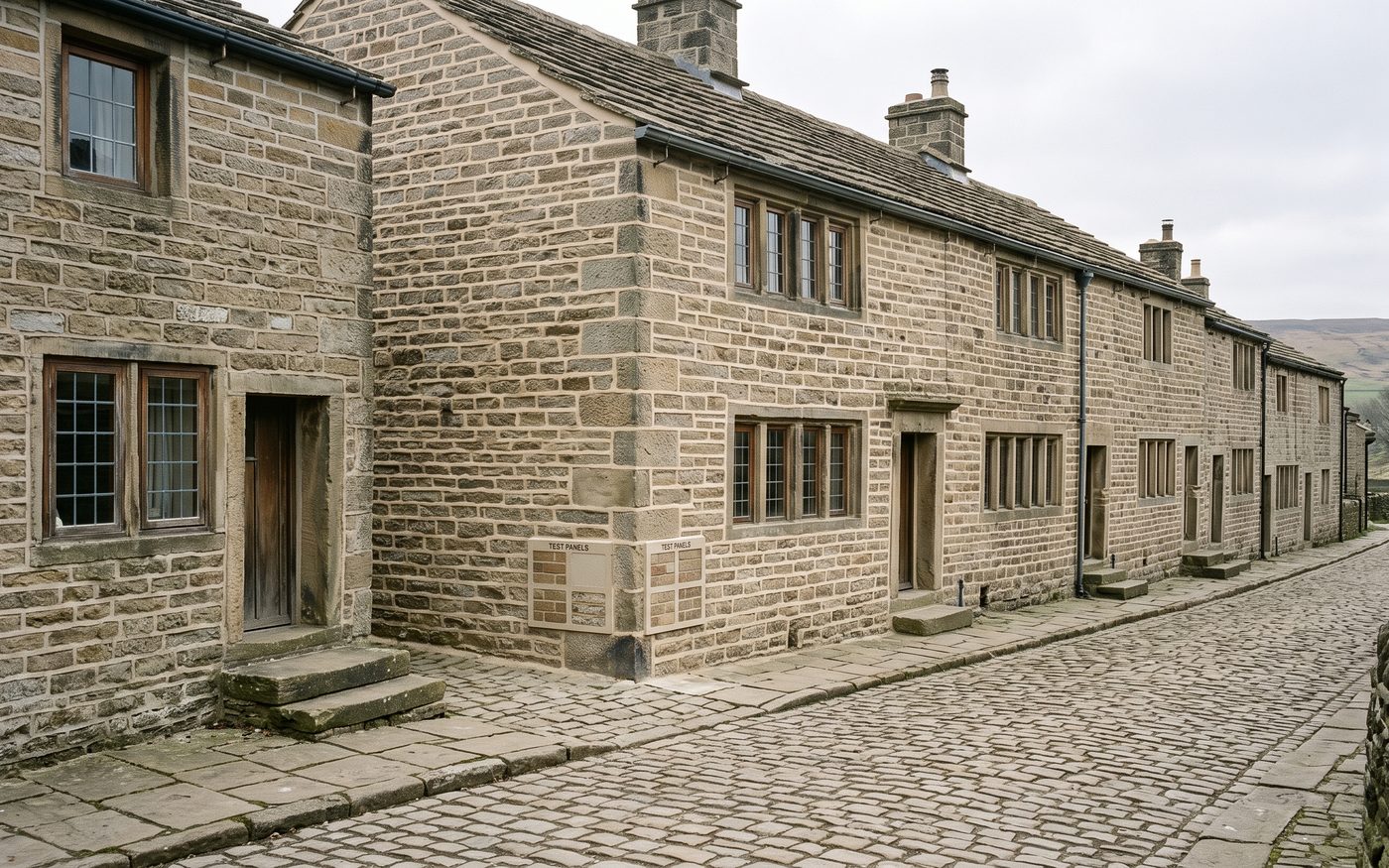
  • Lime pointing on period brick or stone: 50 years and often longer. Lime is softer, so it takes the wear instead of the brick, and it self-heals small cracks as it slowly carbonates. It's what the wall was built with, so it moves with it.
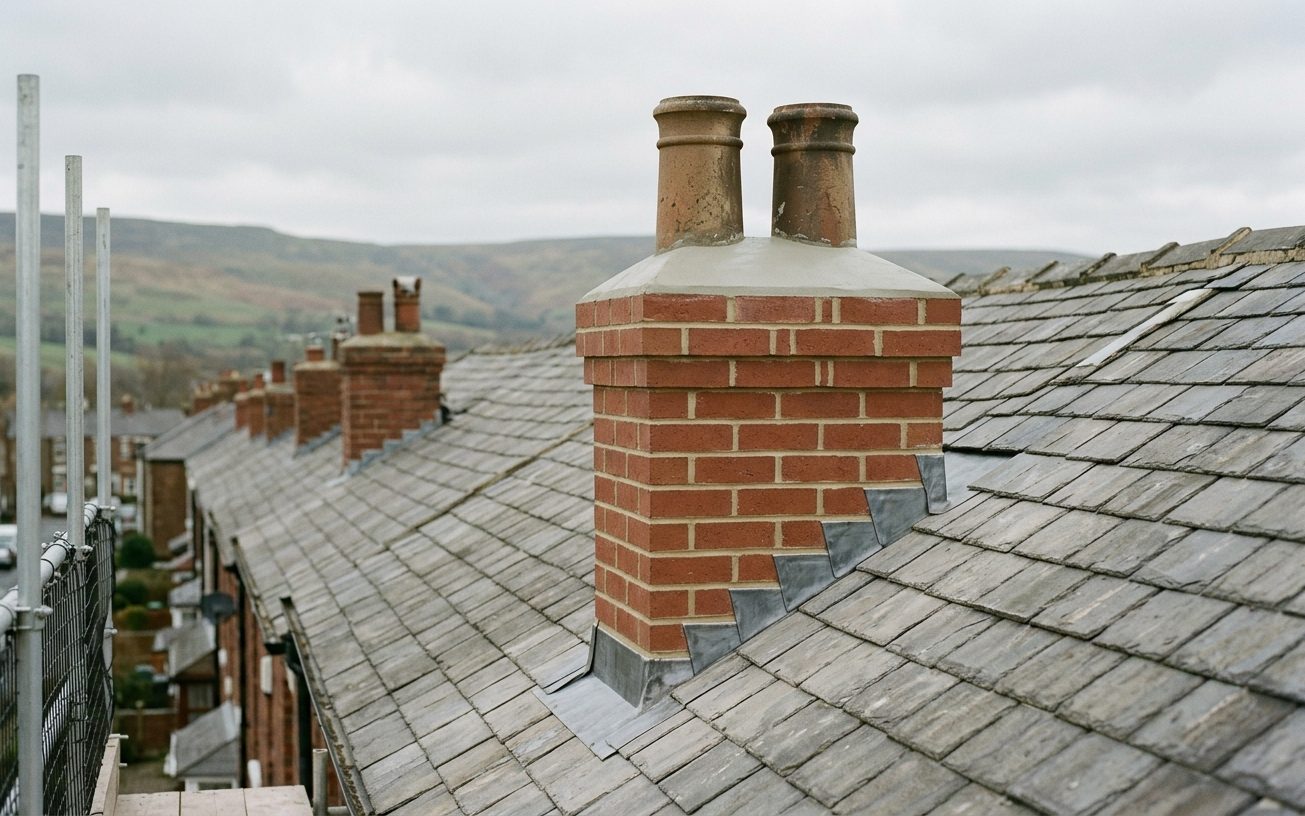
  • Chimney stacks: 20 to 30 years. Stacks catch the worst of the weather from every side and sit in the flue gases from below, so they wear faster than the walls under them.
  • Patio joints: 10 to 15 years for a resin jointing compound, less for a sand-and-cement joint that gets driven over.

Why some repointing fails in a few years

Nearly every early failure we see comes down to one of three things:

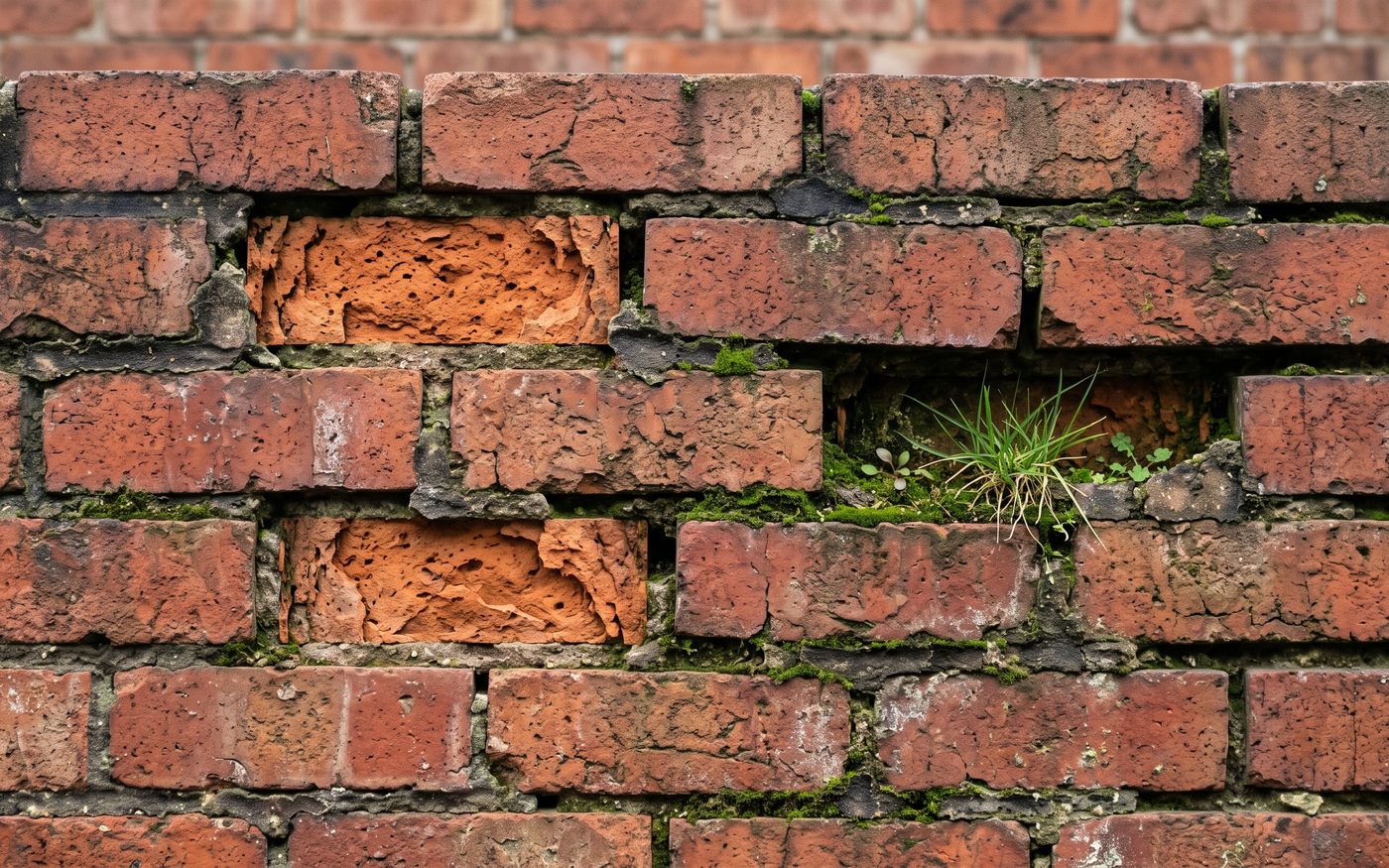
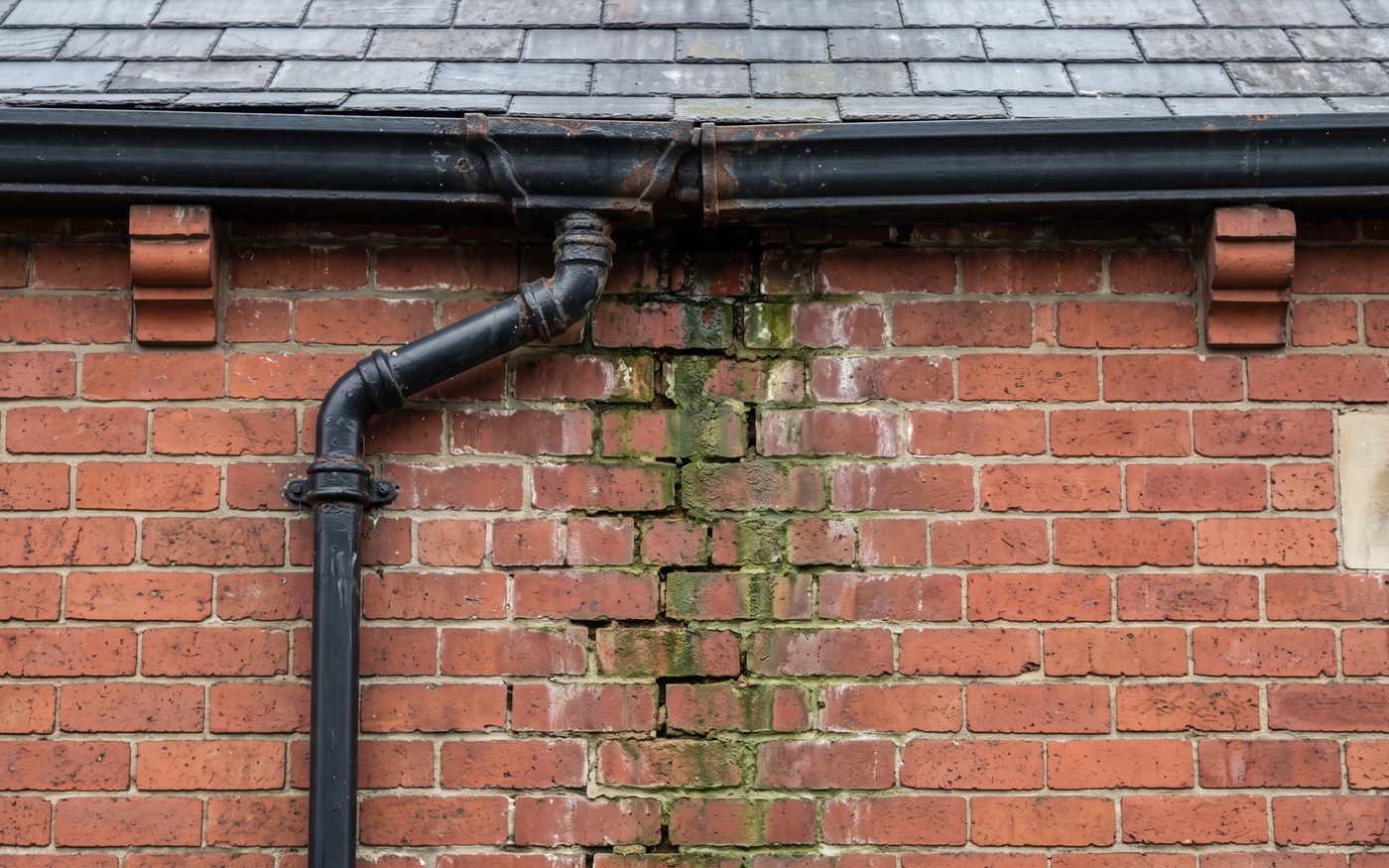
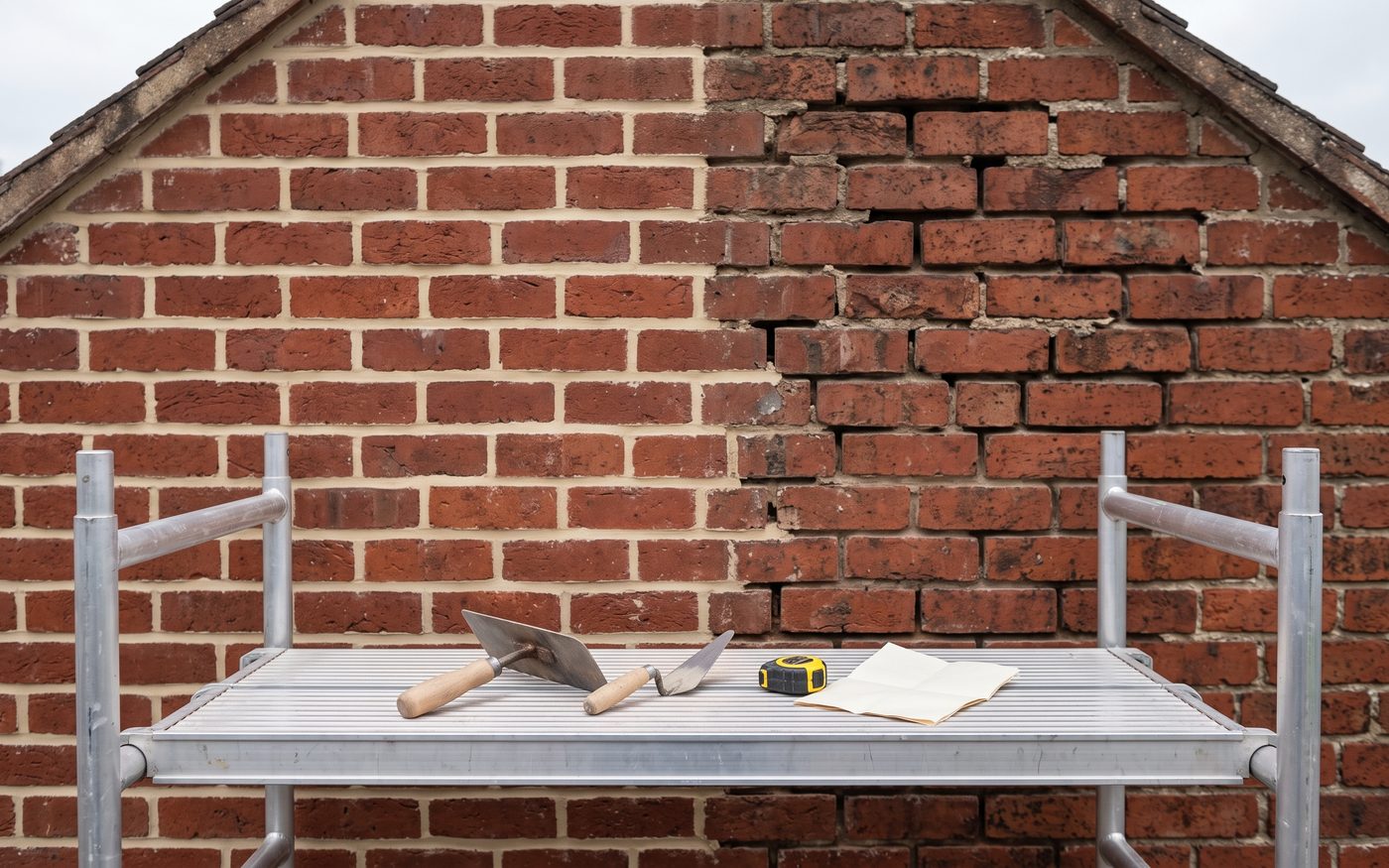
  1. It was never raked out. Mortar smeared over the top of old joints only grips the surface. It looks fine for a summer, then frost gets behind it and it comes away in sheets. This is the most common thing we're asked to put right.
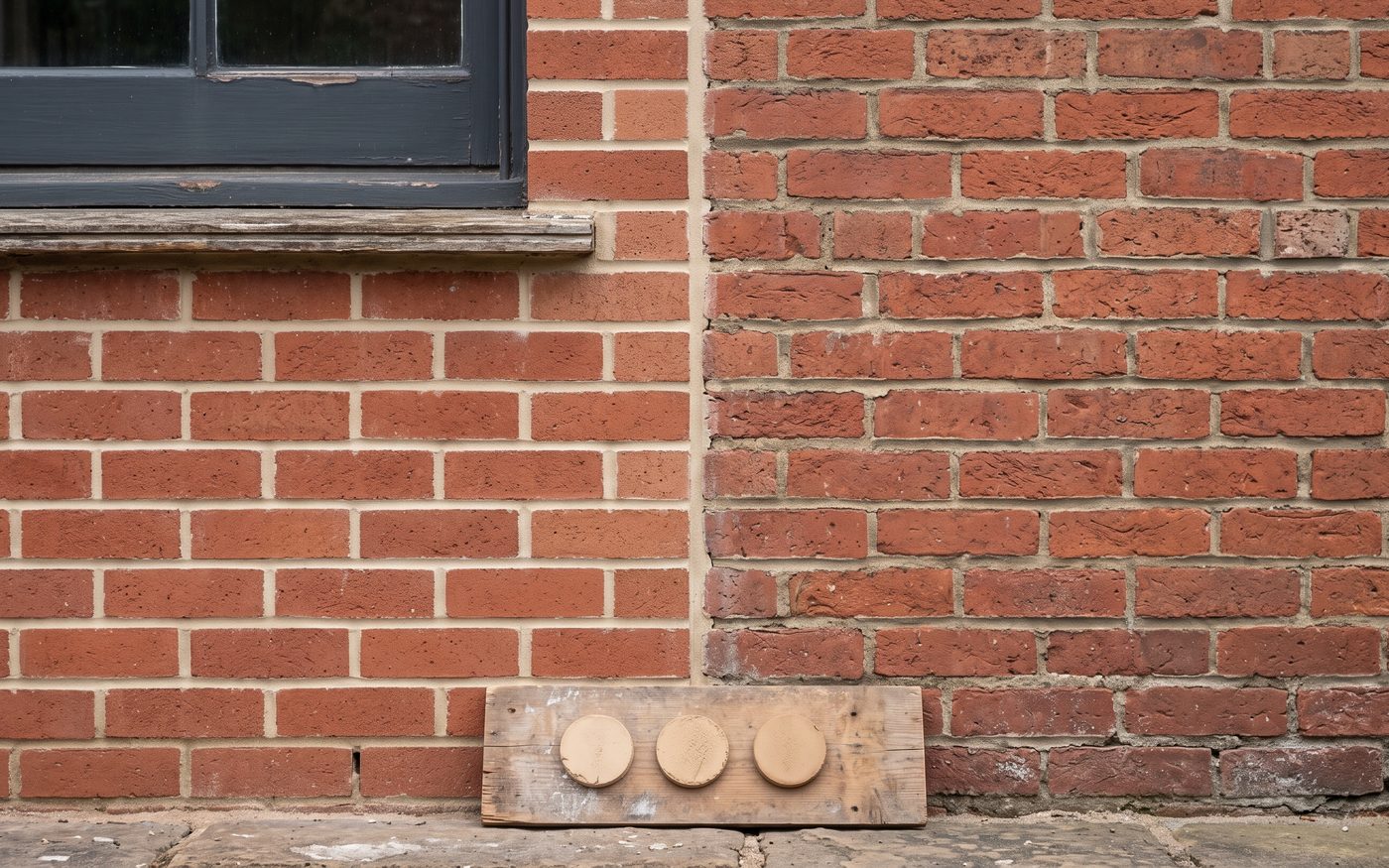
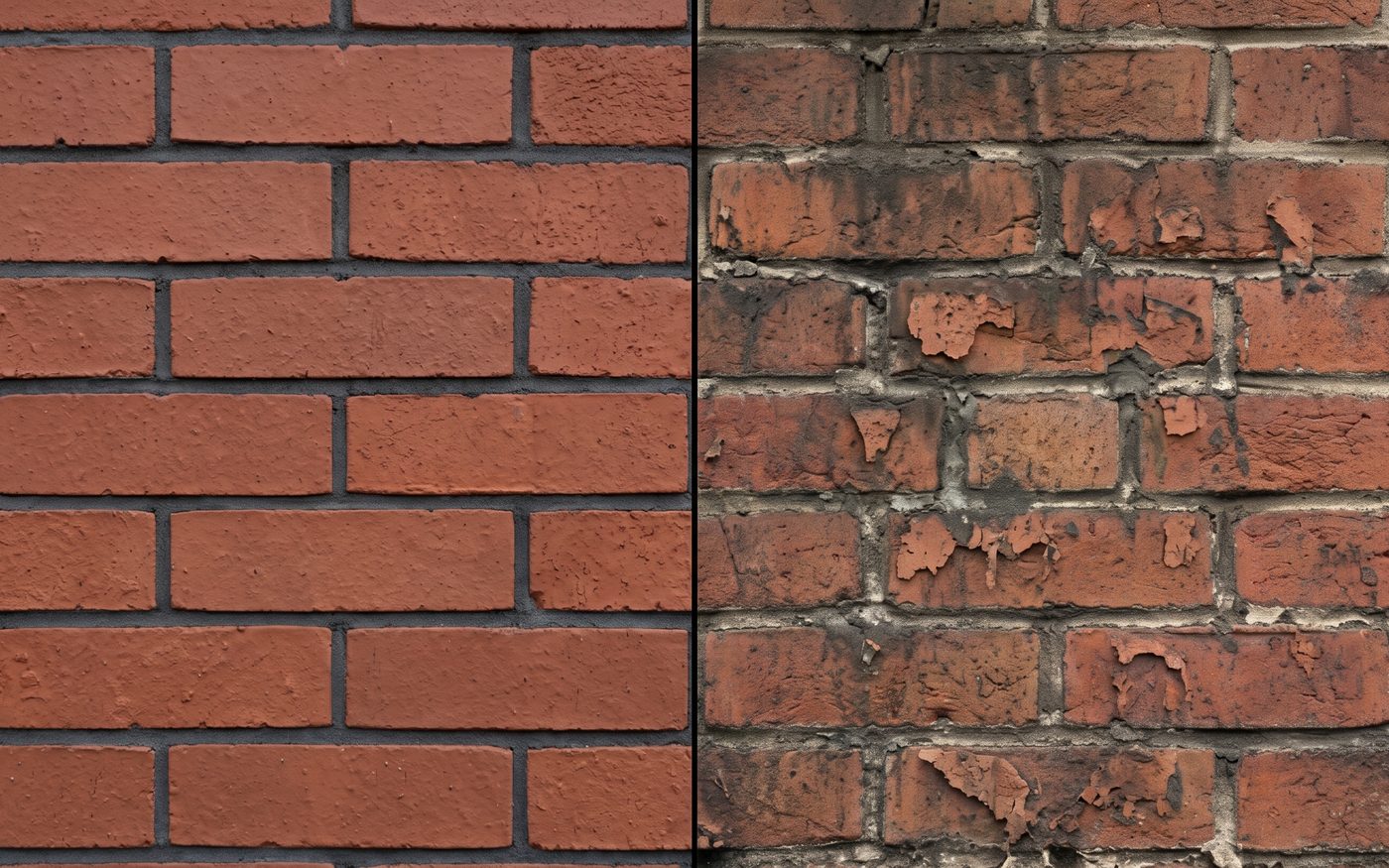
  2. Wrong mortar for the wall. Hard cement on soft brick or stone doesn't fail itself — it makes the brick fail. The faces spall off and water gets in behind the joints anyway. See lime or cement.
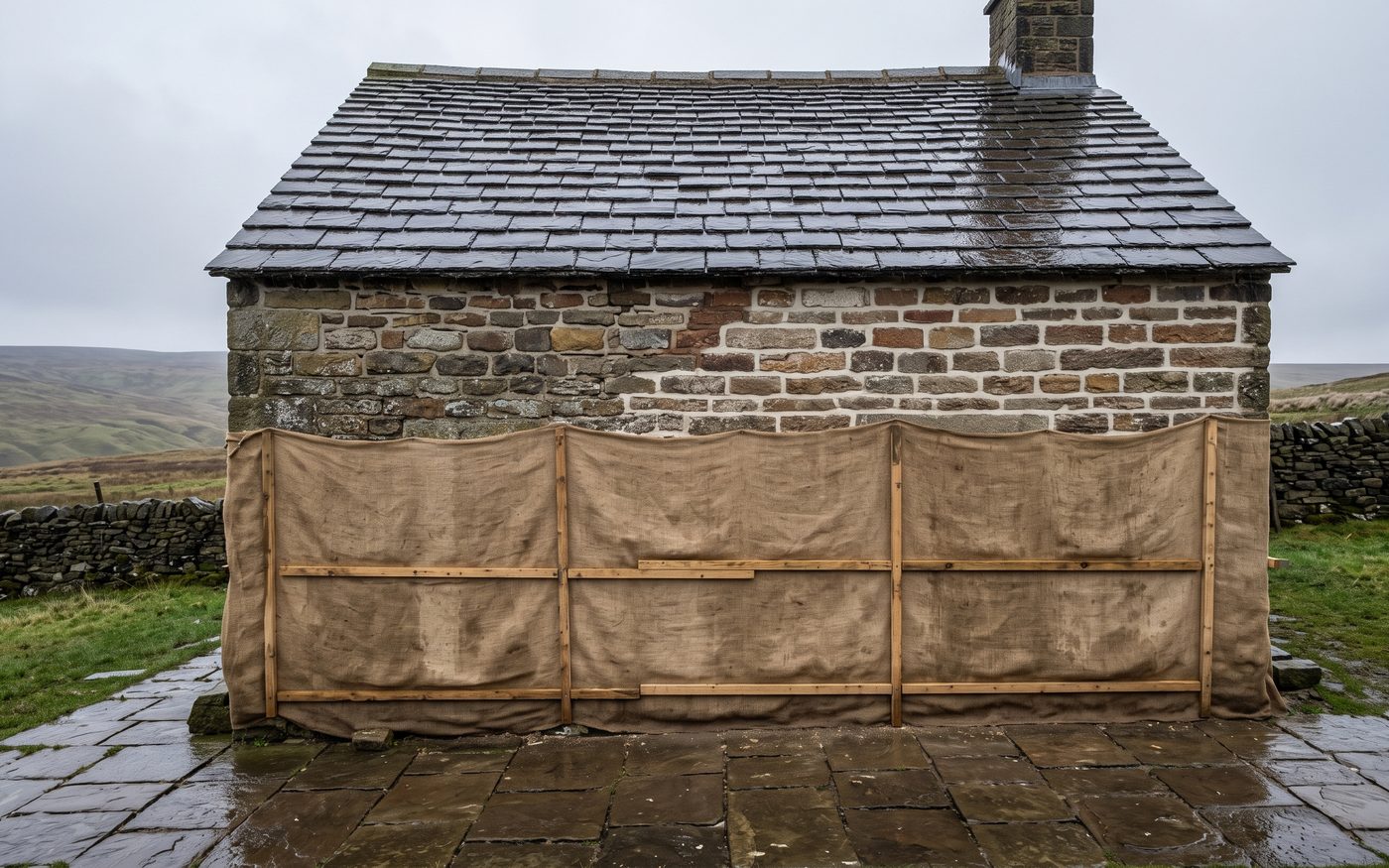
  3. It wasn't protected while curing. Mortar that dries too fast in sun or wind goes powdery and never reaches full strength; mortar that freezes in its first days crumbles. Both look fine on the day and fail within a couple of winters.

What shortens the life of good pointing

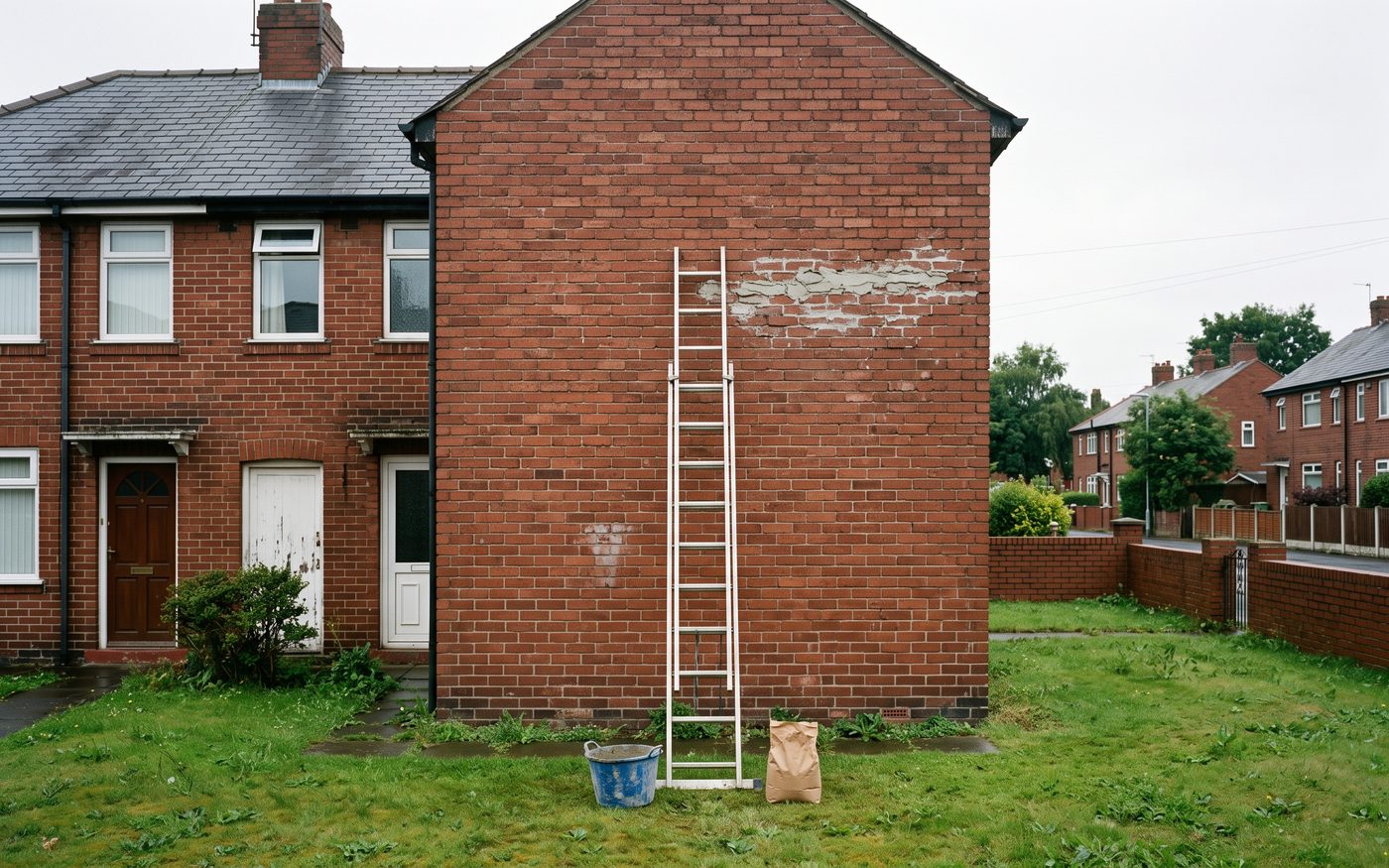
Exposure, mostly. A west-facing gable above Whitworth or Littleborough takes the prevailing rain full on and will wear faster than a sheltered south wall in Bamford. Leaking gutters and downpipes are the next biggest killer — a wall that's constantly wet from a blocked gutter will lose its pointing years early, and no mortar survives being frozen while soaked. Vegetation growing in the joints, and pressure-washing the wall, both do damage too.

Making it last

Have it raked out properly, in the right mortar, at the right time of year, and protected while it cures. After that, keep the gutters clear and don't let ivy get hold of it. Every job we do carries a 10-year written guarantee, which is a reasonable indicator of how long we expect it to stand — and we've walls we pointed twenty-five years ago that don't need touching yet.
Written by Scott Higginson, Perfect Pointing, Rochdale. Guide figures are ours, for Greater Manchester, and every job is quoted fixed-price after a survey.

More advice

How much does repointing cost in 2026?

How much does repointing cost in 2026?

Guide prices per square metre for brick, lime and stone, what pushes the price up, and how to compare quotes.

Read →
Lime or cement — which mortar does my house need?

Lime or cement — which mortar does my house need?

The one question that matters most on an older house, and how to tell which you've got.

Read →
Six signs your pointing has failed

Six signs your pointing has failed

What to look for from the pavement, and which ones mean water is already getting in.

Read →
Chimney repointing explained

Chimney repointing explained

Why the stack goes first, what flaunching is, and what a proper chimney job includes.

Read →
Can I repoint my house myself?

Can I repoint my house myself?

Yes for a garden wall. Probably not for the house — where DIY jobs go wrong and what it costs to put right.

Read →
When is the best time of year to repoint?

When is the best time of year to repoint?

April to October, and not in a heatwave. Why frost and hot sun both ruin new mortar, and how we work round the Pennine weather.

Read →
Will repointing stop damp coming through my wall?

Will repointing stop damp coming through my wall?

Usually — if it's penetrating damp and the pointing is the reason. How to tell, and the cases where repointing won't fix it.

Read →
Repointing in a conservation area or listed building

Repointing in a conservation area or listed building

What you can do without permission, why lime is usually a condition, and how we handle Saddleworth, Littleborough and the Rochdale conservation areas.

Read →
The survey says the house needs repointing — what now?

The survey says the house needs repointing — what now?

What a surveyor's "repointing required" actually means, how much to budget or knock off, and whether to fix it before you sell.

Read →
Will the new pointing match the rest of the house?

Will the new pointing match the rest of the house?

Yes, if it's matched properly — sand, colour, joint profile and finish. Why some repointing stands out from the road and how we stop that happening.

Read →
What to expect when we repoint your house

What to expect when we repoint your house

How long it takes, whether you need scaffolding, how much dust and mess there is, and what to do before we arrive.

Read →

Got a wall you're not sure about?

Send photos. Scott will tell you what he sees and give a rough figure before he visits.

07707 724033
Call Scott — 07707 724033